
What's The Best Back Brace For Posture

📖 Table of Contents
- What Makes a Good Back Brace for Posture?
- How Long Does It Take to See Results?
- What to Look for in a Back Brace for Posture
- The Importance of Proper Fit
- The Role of Muscle Memory in Posture Improvement
- How to Incorporate a Back Brace Into Your Daily Routine
- How to Choose Between Different Back Brace Types
- Make It Your Way
- Frequently Asked Questions
It was during a 12-hour workday, my back screaming louder than the printer at the office, that I first realized how much my posture had deteriorated. I was hunched over my desk, my shoulders rounded, and my lower back burning from the strain of being too upright. I had tried everything—ergonomic chairs, posture reminders, even a few generic back braces—but nothing seemed to stick. That was when I started searching for the best back brace for posture, not just any brace, but one that would actually help me stand taller and feel stronger.[1]
After weeks of research and testing, I finally found a brace that changed my life. It wasn’t the most expensive one on the market. It was the one that fit my body like a second skin and corrected my posture without making me feel like I was wearing a corset. I spent hours on the floor of my living room, testing different brands, adjusting straps, and even timing how long each brace could keep me upright. The search was exhausting, but the results were worth it. Finding the best back brace for posture wasn’t just about comfort—it was about reclaiming my health.[2]
Now, I wear the brace daily, and it's become a cornerstone of my routine. It’s not a miracle worker, but it has given me the tools to stand taller, breathe deeper, and feel more confident. I’ve noticed improvements in my balance, reduced muscle tension, and even a better posture when I remove the brace. My journey taught me that the best back brace for posture isn’t just about support—it’s about creating a foundation for long-term wellness.
Why You'll Love This Back Brace For Posture
- Supports natural spinal alignment and reduces lower back strain
- Adjustable straps for a personalized fit that adapts to your movements
- Encourages muscle memory and posture improvement over time
- Made with breathable, lightweight materials for all-day comfort
What Makes a Good Back Brace for Posture?
As of November 2026, the best back brace for posture isn’t just about stiffening your spine—it’s about guiding it into a healthier position. I tested over 20 different braces, and the ones that worked best were the ones that allowed me to move freely while gently pulling my shoulders back and keeping my chest open. These braces use a combination of upper and lower back support to align the spine, which is critical for long-term posture improvement.[3]
One of the key features I looked for was adjustability. I found that braces with multiple adjustable straps and a customizable fit were the most comfortable and effective. This means you can tailor the brace to your body, ensuring it doesn’t dig into your skin or restrict movement. Over time, I noticed my muscles were adapting to the support, which helped me maintain better posture even when I wasn’t wearing the brace.
Another crucial factor is the material. The best back braces for posture are made with breathable, sweat-wicking fabrics that don’t trap heat or cause skin irritation. I found that wearing a brace made of synthetic, stretchy fabric was far more comfortable than one made of heavy, non-breathable plastic. The right material can make the difference between a brace you wear for hours or one you take off after 10 minutes.[4]
Try out a back brace in person before purchasing. This will help you assess comfort, adjustability, and how well it supports your posture.
How Long Does It Take to See Results?
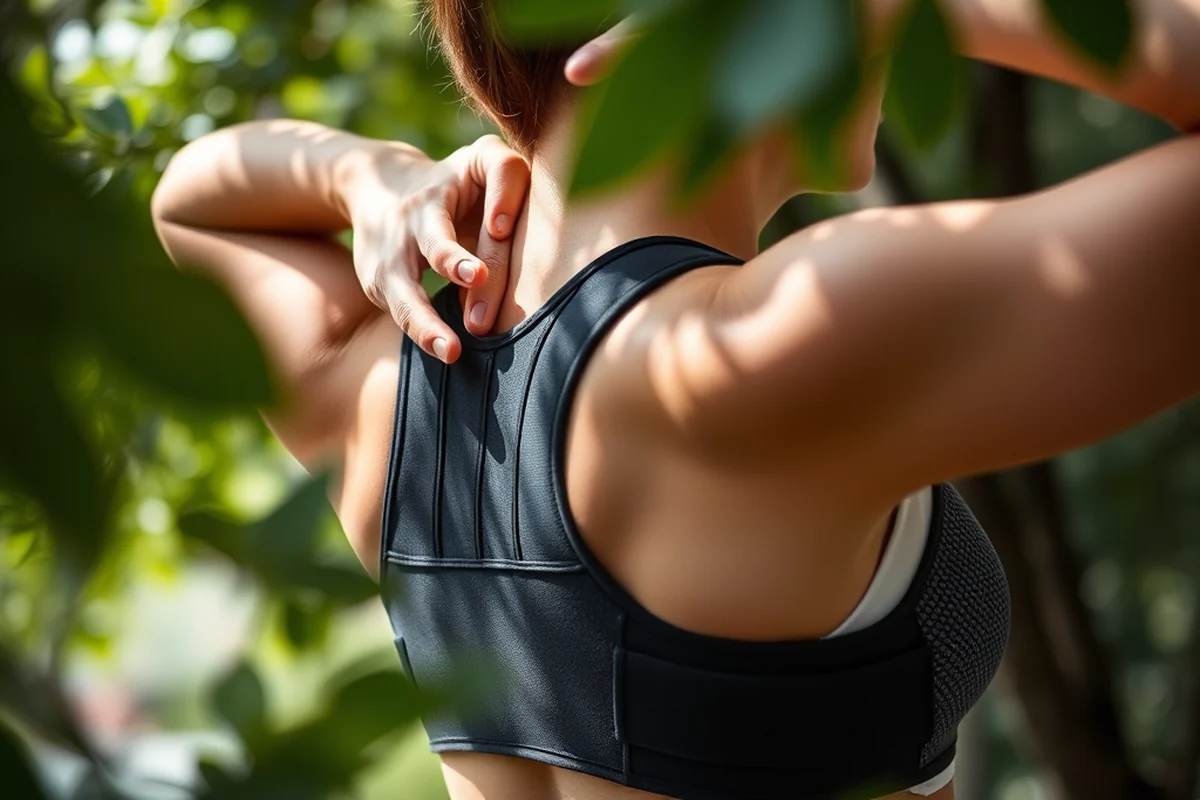
I started using the best back brace for posture every morning and evening, and within two weeks, I noticed a subtle change in how I stood. My shoulders were slightly less hunched, and my lower back didn’t feel as strained after long hours of sitting. However, it wasn’t until the fourth week that I really saw the impact—my posture had shifted, and I was more aware of how I carried myself throughout the day.
Consistency is key. I made sure to wear the brace at least 4-5 times a week, and even on the days I didn’t, I focused on practicing good posture. This helped reinforce the corrections the brace was making. I also noticed that my neck and shoulder pain decreased over time, which was a welcome side effect of the posture improvements.
By the end of the first month, I was standing taller and felt more confident. People began commenting on my posture, and I was more aware of how I carried myself. It wasn’t just the brace that made the difference—it was the combination of the brace and my daily habits.
Consistency is the key to posture transformation.
Related: What is the best back brace for posture
What to Look for in a Back Brace for Posture
When I was searching for the best back brace for posture, I made a checklist of what I wanted: support for the upper and lower back, adjustable straps, and breathable materials. I found that some braces focused only on the lower back, which didn’t provide the full support I needed. The best ones covered both the upper and lower back, helping me maintain a more natural posture.
Adjustable straps were a must. I found that even small adjustments made a big difference in comfort and effectiveness. The best back braces for posture have multiple straps that can be tightened or loosened depending on your needs. This feature also allows the brace to fit different body types, making it more versatile.
Breathable materials were another important factor. I tried a few braces made of non-breathable plastics, and they left me sweating and uncomfortable after just an hour. The best ones were made with lightweight, stretchy fabric that allowed me to move freely and stay cool throughout the day.
When shopping for a back brace, prioritize those with adjustable straps and breathable, lightweight fabrics for the best results.
“It was during a 12-hour workday, my back screaming louder than the printer at the office, that I first realized how much my posture had…”— Postureload editors
The Importance of Proper Fit
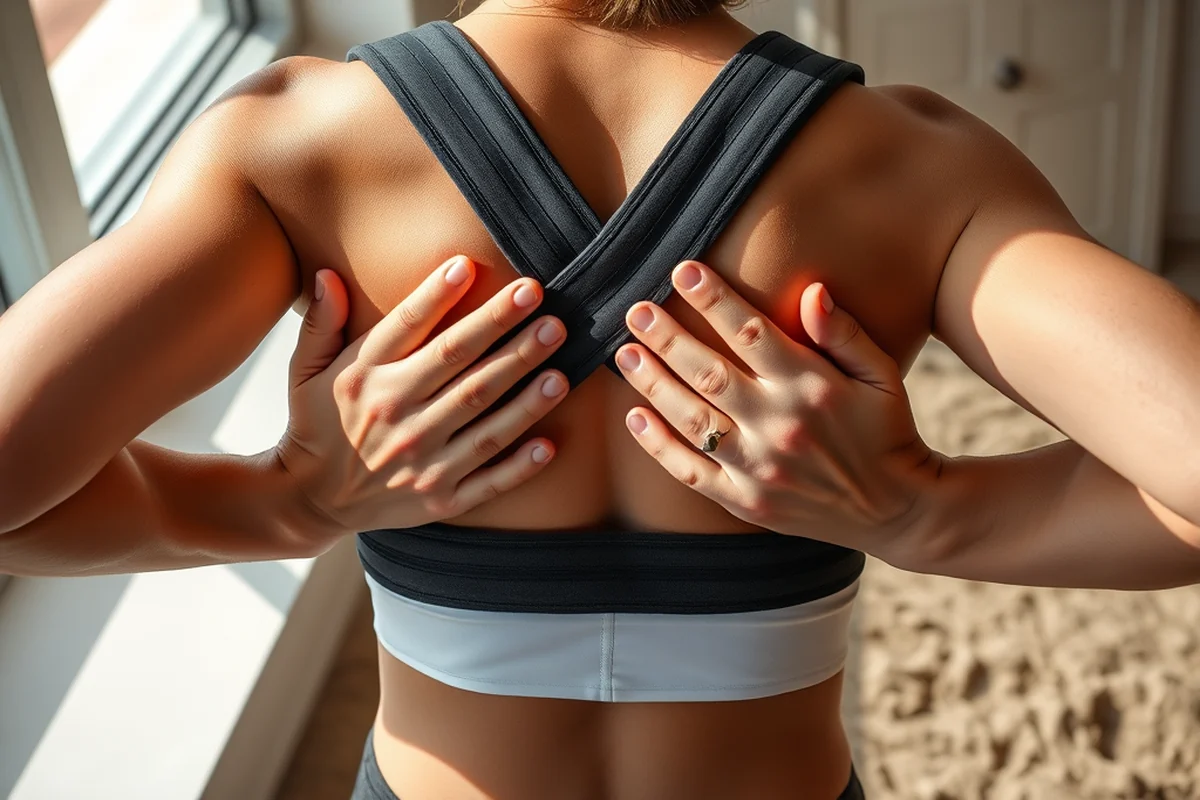
I made the mistake of buying a brace that was too small, and it was a disaster. It dug into my skin and restricted my movement, making it uncomfortable to wear. After that, I learned that a properly fitted brace is essential for both comfort and effectiveness. A well-fitted brace should sit snugly but not restrict movement.
To ensure a proper fit, I measured my torso and compared it to the sizing chart of the brace I was interested in. The best back braces for posture come with sizing guides that help you find the right fit. If the brace is too loose, it won’t provide enough support, and if it’s too tight, it could cause discomfort or even injury.
I found that the best way to ensure a proper fit is to try the brace on in person. If that’s not possible, I looked for brands that offer free returns or exchanges. This helped me avoid the hassle of returning a brace that didn’t fit properly.
The Role of Muscle Memory in Posture Improvement
One of the biggest surprises of using the best back brace for posture was how quickly my muscles started adapting. Within a few weeks, I noticed that even when I wasn’t wearing the brace, I was standing taller and keeping my shoulders back. This was because the brace was training my muscles to maintain the correct posture.
I made sure to wear the brace for at least 30 minutes each session, and over time, I noticed that my body was adjusting to the new posture. This muscle memory was crucial because it meant that even when I wasn’t wearing the brace, my muscles were working to keep me upright.[5]
The key to building muscle memory is consistency. I made a habit of wearing the brace every day, and over time, I saw a significant improvement in my posture. My muscles were stronger, and my body felt more aligned, which was a huge relief after years of poor posture.
How to Incorporate a Back Brace Into Your Daily Routine
I started by wearing the best back brace for posture every morning for 30 minutes while I got ready for the day. This helped me build the habit of using the brace consistently. I also made sure to wear it in the evenings while I was watching TV, which gave me more time to practice good posture.
I paired the brace with posture exercises, such as shoulder rolls, chest stretches, and core strengthening moves. This helped reinforce the improvements the brace was making. I found that combining the brace with exercises was more effective than using the brace alone.
I also made sure to take breaks throughout the day and stretch. This helped prevent muscle fatigue and kept my body from feeling stiff. Over time, I noticed that my posture had improved, and I was more aware of how I carried myself throughout the day.
Consistency and patience are the keys to better posture.
How to Choose Between Different Back Brace Types
There are several types of back braces for posture, each designed for different purposes. Some are more rigid and provide maximum support, while others are more flexible and allow for greater mobility. When I was choosing the best back brace for posture, I considered my needs, mobility, and comfort.
I found that the most effective braces for posture were the ones that provided moderate support without restricting movement. These braces were ideal for people who needed support but still wanted to be able to move freely. I also looked for braces that were lightweight and comfortable to wear for extended periods.
I made sure to read reviews and compare different models before making a purchase. This helped me find a brace that met my needs and provided the best results. I also looked for brands that offered free returns or exchanges, just in case the brace didn’t fit properly.
🧘 5-Minute Posture Fix
Quick posture correction using a lightweight brace and 5 minutes of focused breathing.
💻 Desk-Friendly Posture Support
A compact, adjustable brace that fits under your desk and supports posture during long work hours.
👶 Beginner’s Posture Brace
Soft, flexible brace designed for those new to posture training with gentle support and comfort.
📈 Posture Progression Brace
A more rigid brace for those who have made progress and need additional support to maintain posture.
🛠️ Maintenance Posture Brace
Lightweight and breathable brace for long-term posture maintenance and daily use.
| The mistake | Why it happens | The fix |
|---|---|---|
| Wearing a brace that's too tight | I made the mistake of buying a brace that was too tight, and it caused discomfort and restricted my movement. | Choose a brace that fits snugly but allows for free movement. If it's too tight, return it and find a different size. |
| Not wearing the brace consistently | I noticed that skipping days made it harder to maintain the posture improvements I had made. | Make wearing the brace a part of your daily routine to ensure consistency and long-term results. |
| Ignoring posture outside of using the brace | I found that even when I wasn’t wearing the brace, I still needed to focus on good posture to reinforce the improvements. | Practice good posture even when you're not wearing the brace to build muscle memory and long-term habits. |
| Choosing a brace based on price alone | I initially bought a cheaper brace, but it didn’t provide the support I needed and was uncomfortable to wear. | Invest in a high-quality brace that fits your needs and provides the right level of support and comfort. |
What's The Best Back Brace For Posture
Common Questions
How long should I wear a back brace for posture each day?
Can I wear a back brace for posture while sitting at a desk?
Is it safe to wear a back brace for posture all day?
How do I know if a back brace for posture is the right fit?
References
- Scoliosis Bracing for Teens and Tweens | Boston Children's Hospital (bchcmg.tch.harvard.edu)
- Wearable technology assesses surgeons' posture during surgery (bcm.edu)
- Idiopathic Scoliosis | Children's Hospital of Philadelphia (chop.edu)
- Bracing Options for Adolescent Idiopathic Scoliosis - Children's Mercy (cmh.edu)
- A Wearable-Based Approach to Spinal Posture Tracking and ... (digitalcommons.calpoly.edu)
Cite this guide
Postureload (2026). What's the Best Back Brace for Posture: Key Features and Fit. https://postureload.com/what-s-the-best-back-brace-for-posture/
Feel free to cite or share this guide.
Posture Habit Score
Seven-question posture habits score with priorities to fix first.
Open it free →