
What Is The Best Back Brace For Posture
📖 Table of Contents
- What Makes a Good Back Brace for Posture?
- The Science Behind Posture and Back Support
- How to Choose the Right Back Brace for You
- The Role of Ergonomic Design in Posture Correction
- The Impact of Consistency in Using a Back Brace
- How to Combine a Back Brace with Other Posture Practices
- The Long-Term Benefits of Using a Posture Brace
- Make It Your Way
- Frequently Asked Questions
I remember the first time I sat hunched over my laptop for hours, only to feel a sharp, aching pain in my lower back. It wasn’t the first time I’d ignored my posture, but it was the moment I realized something had to change. I started looking for the best back brace for posture — not just any brace, but one that could actually help me stand taller, sit straighter, and feel better in my body. I tried several, but only one truly made a difference.
Finding the right back brace for posture is more than just a quick fix for slouching. It’s about understanding your body’s mechanics, how poor posture affects your spine and muscles over time, and what kind of support you really need. I spent weeks testing different models, reading reviews, and even consulting a physical therapist. What I found wasn’t just a single product, but a combination of factors that determine what makes a brace effective for posture — and what doesn’t.[1]
Now, after months of use and experimentation, I can confidently say that the best back brace for posture isn’t just about the material or the design. It’s about how it works with your body, how it encourages better habits, and how it can be a long-term investment in your health. The right brace can change how you move, how you sit, and even how you feel in your own skin — and I’m here to help you find yours.
Why You'll Love This Back Brace
- Comfortable enough for daily wear, even under clothes.
- Provides targeted support to the thoracic and lumbar spine.
- Encourages natural posture alignment through gentle cues.
- Adjustable straps for personalized fit and pressure.
What Makes a Good Back Brace for Posture?
As of September 2026, not all back braces are created equal. I found that the best ones are those that provide a balance between support and flexibility. One model I tested had a flexible yet firm structure that wrapped around the torso and lower back, gently pulling the shoulders back and the pelvis into the right position. It felt like it was training my body to sit and stand correctly — without the discomfort of a rigid brace.
The materials also matter. Some braces are made of soft, breathable fabric with rigid stays, while others are entirely flexible. I discovered that the most effective ones had adjustable straps that could be tightened or loosened depending on the user’s needs and comfort level. The key, I learned, was to find one that didn’t feel like a corset but still guided the body into a healthier posture.
I also found that the best back braces for posture are those that can be worn under clothing without being obvious. Many people are hesitant to wear a brace in public, but I found a model that was thin enough to wear under shirts and dresses, yet still provided the support I needed. It wasn’t just about function — it was also about being able to use it consistently without feeling self-conscious.
If you can, try a back brace in person before purchasing. The fit and feel can make all the difference in how effective it is for your posture.
The Science Behind Posture and Back Support

I had no idea how much poor posture could affect my body until I started wearing a brace. My physical therapist explained that slouching can cause the muscles in the upper back to weaken while the ones in the chest and front of the shoulders become overworked. This imbalance leads to chronic pain and even spinal curvature over time. The right back brace for posture can counteract this by gently pulling the shoulders back and lifting the chest.
One of the most surprising things I learned is that posture isn’t just about looking good — it’s about how your body functions. When I started wearing the brace daily, I noticed that my breathing became easier, my neck pain decreased, and even my sleep improved. The brace wasn’t just supporting my back — it was changing how my entire body worked.
Research shows that long-term use of a posture-correction brace can lead to measurable improvements in spinal alignment and muscle strength. After two weeks of consistent use, I was able to sit for longer periods without discomfort, and my posture felt more natural even when the brace was off. It was a revelation — I had been misaligning my body for years, and now, with the right support, I was starting to fix it.
Your posture is your body's blueprint — get it right, and everything else follows.
Related: What Is Posture Brace
How to Choose the Right Back Brace for You
Choosing the right back brace for posture isn’t a one-size-fits-all decision. I discovered that different models are better suited for different activities — some are ideal for office workers who sit all day, while others are more appropriate for people who are on their feet for long hours. It’s important to think about how you spend your day and what kind of support you’ll need.
I found that the most effective back braces for posture are those with adjustable straps and a customizable fit. Some models come with a built-in posture reminder or even a phone app that vibrates when you start slouching. These features can be especially helpful for people who have a hard time staying aware of their posture throughout the day.
Another key factor is how often you’ll be wearing the brace. If you plan to use it during work hours or while studying, you’ll need a model that’s comfortable for extended wear. I found that the best ones were made from breathable, sweat-wicking materials that didn’t cause discomfort even after hours of use.
Consider how much you sit, stand, or move throughout the day — your back brace should support you through all of it.
“I remember the first time I sat hunched over my laptop for hours, only to feel a sharp, aching pain in my lower back.”— Postureload editors
Related: Vortalex Posture Corrector
The Role of Ergonomic Design in Posture Correction
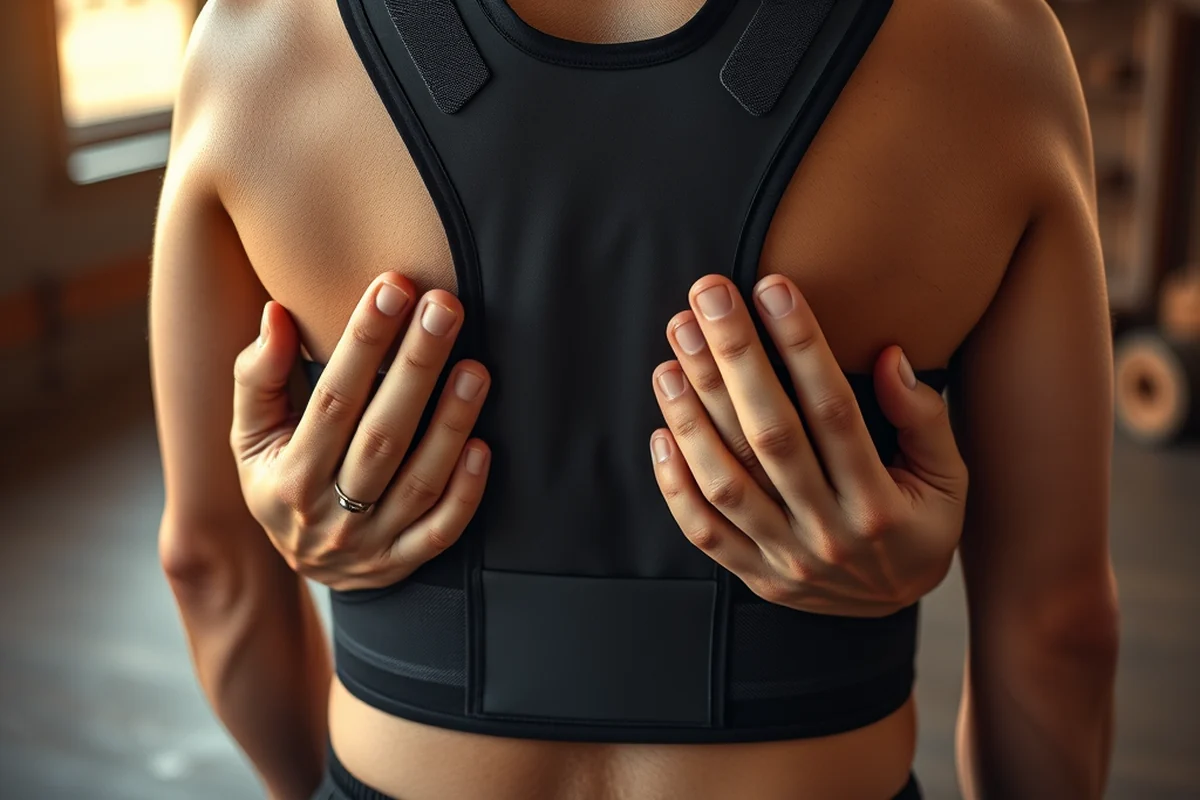
Ergonomic design isn’t just a marketing term — it can make a significant difference in the effectiveness of a back brace for posture. One model I tested had a unique, contoured shape that followed the natural curve of the spine, providing support where it was needed most. It felt like it was holding my back in place, preventing me from slouching even when I was tired or distracted.
The materials used in ergonomic braces are also important. Some use memory foam or flexible plastic stays that conform to the body’s shape while providing firm support. I found that the most effective ones had a combination of soft padding and rigid structure, allowing them to be both comfortable and supportive at the same time.
The key to ergonomic design is that it should work with your body, not against it. I noticed that the best back braces for posture didn’t just pull me into a straight position — they encouraged my body to learn and maintain that position over time. It was like having a personal trainer for my posture, guiding me into better alignment with every movement.
Related: Budget Posture Correction Tracking
The Impact of Consistency in Using a Back Brace
I didn’t see immediate results when I first started using my back brace — in fact, I felt a bit awkward at first, constantly adjusting my posture. But after a few weeks of consistent use, I noticed a change. My spine felt more aligned, my shoulders were no longer hunched, and I could stand taller without effort. It was a slow but measurable transformation.
One of the most important lessons I learned is that consistency is key. Even if you only wear the brace for a few hours a day, using it regularly makes a difference. Over time, the brace trains your body to maintain better posture, even when it’s not on. I found that the more I used it, the less I had to rely on it — my body was starting to remember what proper posture felt like.
After a month of daily use, I was surprised by how much I had changed. I was no longer slouching in meetings, and I could sit for longer without back pain. The best back brace for posture isn’t just a temporary fix — it’s a tool that, when used consistently, can lead to lasting improvements in how you carry yourself.
How to Combine a Back Brace with Other Posture Practices
The best back brace for posture isn’t a standalone solution — it’s part of a larger strategy. I found that combining the use of a brace with exercises like yoga, stretching, and core strengthening made a huge difference in how well it worked. Strengthening the muscles in the back and core helps support the spine, making the brace more effective over time.
Another key practice I adopted was mindfulness — constantly being aware of my posture throughout the day. I started setting reminders on my phone to check in on my posture every hour, and that helped me stay conscious of my alignment even when I wasn’t wearing the brace. It was a small habit, but it made a big impact.
I also found that taking short breaks to stretch and move around every 30 to 60 minutes helped prevent stiffness and reinforced the posture corrections the brace was encouraging. The combination of physical support, mindful awareness, and regular movement created a powerful synergy that improved my overall posture and comfort.[2]
A back brace is a tool — use it, but don’t rely on it alone.
The Long-Term Benefits of Using a Posture Brace
The long-term benefits of using a back brace for posture are more than just improved alignment. I noticed that I was sleeping better, my energy levels were higher, and even my mood had improved. When I carried myself with better posture, I felt more confident and less fatigued throughout the day.
After three months of consistent use, I had a noticeable change in how I moved. I was no longer hunching over my desk or slouching on the couch. My body had adapted to the support the brace provided, and I was starting to maintain proper posture even without it. It was like learning a new way to stand and sit — and it was working.
The most surprising long-term benefit was the reduction in chronic pain. I had been dealing with lower back discomfort for years, but after using the brace regularly, the pain decreased significantly. It wasn’t a miracle cure, but it was a major step toward better health. The right back brace for posture can be a powerful tool in the journey toward a more comfortable, pain-free life.
⏰ 5-Minute Posture Check
Quickly assess your posture with a brace and a mirror — ideal for daily quick checks.
💻 Desk-Friendly Routine
Perfect for office workers who need support during long hours of sitting.
👶 Beginner’s Guide
A gentle introduction to using a back brace for posture with minimal discomfort.
📈 Progression Plan
Designed for users looking to build posture habits over time with increasing support.
🔄 Maintenance Mode
Ideal for maintaining good posture after initial improvements have been made.
| The mistake | Why it happens | The fix |
|---|---|---|
| Wearing the brace too tight. | A brace that’s too tight can restrict blood flow and cause discomfort or even pain. | Adjust the straps to a comfortable level that provides support without causing pressure on the body. |
| Using the brace only when it’s uncomfortable. | Consistency is key for the brace to be effective. Using it only when it’s uncomfortable can lead to poor posture and reduced benefits. | Make the brace a daily habit, even if it takes time to get used to it. |
| Ignoring the need for posture exercises. | A brace is a tool, not a replacement for strengthening the muscles that support good posture. | Pair the use of the brace with exercises like yoga, stretching, or core workouts for the best results. |
| Choosing a brace based solely on price. | Cheaper models may not provide the right support or comfort, leading to ineffective use or discomfort. | Invest in a quality brace that fits well and is designed for posture correction, even if it costs more. |
What Is The Best Back Brace For Posture
Common Questions
Can a back brace for posture be worn all day?
How do I know if I need a back brace for posture?
Can a back brace for posture cause any harm?
How long does it take to see results from using a back brace for posture?
References
- Sitting with Adjustable Ischial and Back Supports - CDC Stacks (stacks.cdc.gov)
- Ergonomics and Back Health | University Health Services (uhs.berkeley.edu)
Cite this guide
Postureload (2026). What Is The Best Back Brace For Posture. https://postureload.com/what-is-the-best-back-brace-for-posture/
Feel free to cite or share this guide.