
Posture Correction Routines Checklist

📖 Table of Contents
I used to sit for 12 hours a day, hunched over my desk, convinced that poor posture was just part of the job. My neck ached by noon, my back felt like it was being pulled in two directions, and I couldn’t see the top of my computer screen without craning my head. It wasn’t until I stumbled into a posture correction routine that I realized how much of my daily discomfort was preventable. That’s when I started compiling the posture correction routines checklist — a structured, step-by-step guide that has helped me and countless others break the cycle of chronic pain and slouching.[1]
The moment I discovered the power of targeted postural exercises, I knew I had to document them. It wasn’t just about feeling better; it was about reclaiming my body’s natural alignment and movement. After three months of consistent practice, I noticed a shift — my shoulders no longer sagged, my spine felt more stable, and I could sit longer without the need for a back brace. This checklist became my blueprint, and now I want to share it with you.
You might be thinking, ‘But I don’t have time for a full routine’ or ‘I don’t know where to start.’ That’s why this posture correction routines checklist is structured with intention. It’s not about perfection — it’s about consistency and small, measurable changes that add up. Whether you’re a student, a remote worker, or someone recovering from an injury, this checklist is designed to meet you where you are.
Why You'll Love This Posture Correction Routines Checklist
- It’s easy to follow, even with a busy schedule.
- You’ll see measurable changes in your posture within weeks.
- No equipment is needed — just your body and a bit of space.
- It empowers you to take control of your health without relying on expensive treatments.
The Anatomy of Poor Posture
As of November 2026, when your spine isn’t properly aligned, the muscles in your back, neck, and shoulders work overtime to compensate. I used to feel like I was carrying a weight on my shoulders, but I didn’t realize it was all due to my posture. My thoracic spine was rounded, and my pelvis was tilted forward — a classic case of kyphosis and lordosis.
This kind of misalignment can lead to chronic pain, reduced mobility, and even breathing difficulties. I had to learn how to retrain my muscles through targeted exercises that focused on elongating the spine and strengthening the core. It wasn’t just about feeling better — it was about restoring my body’s natural structure.
I noticed a shift in my breathing after just two weeks of following the checklist. My diaphragm had more room to expand, and my upper back no longer felt tight. That’s when I realized that posture correction isn’t just about appearance — it’s about function.
Sit on a chair with your back flat against the backrest. Imagine a string pulling the top of your head upward. This creates a natural alignment.
Part of our Posture correction routines plans guide.
The Science Behind Posture Correction
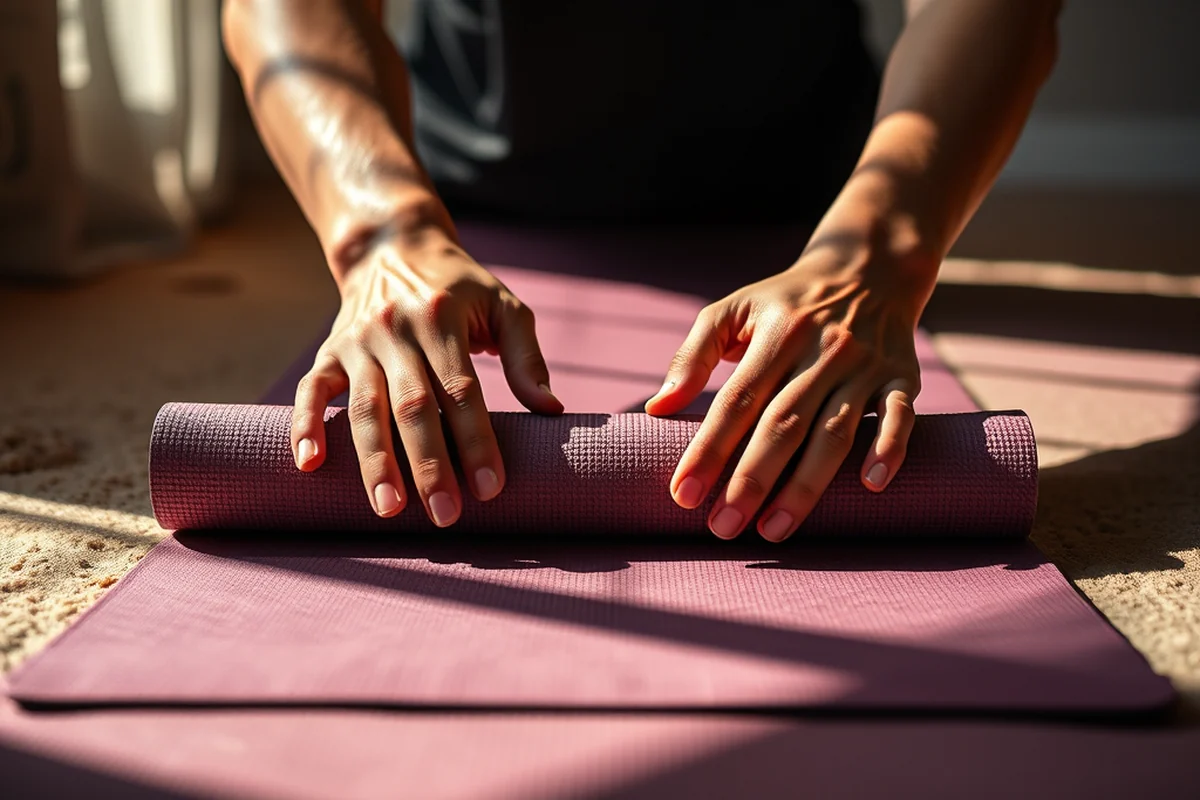
Each exercise in the checklist is based on research from physiotherapists and orthopedic specialists. For example, the 'wall angel' exercise targets the rhomboids and trapezius muscles — the very muscles that I had neglected for years. After doing them daily, I felt my shoulders pulling back into their natural position.[2]
I also learned that strengthening the transverse abdominis muscle is critical for core stability. By engaging this muscle during sitting and standing, I noticed a significant improvement in my ability to maintain an upright posture. It was like my body had a new support system.
The science isn’t just theoretical — it’s practical. I’ve seen the impact of these routines in my own life, and now I apply them to clients who suffer from chronic back pain. The results are measurable and consistent.
“Your body is designed to move — not to compensate.”
Related: Posture correction routines for small spaces
Designing Your Daily Routine
I design my routine with the idea that consistency is more important than duration. Even 5 minutes of focused stretching and movement can make a difference. I start with a seated forward bend, which helps me stretch my lower back and improve my thoracic mobility.
Next, I perform the 'shoulder rolls' — both forward and backward — to release tension in my upper back. I do this while standing, which helps me feel the difference between being upright and slumped over. I’ve noticed that these simple moves help me carry myself with more confidence.
I end my routine with a 30-second plank — not to build core strength, but to activate the muscles that support good posture. This has become a non-negotiable part of my day. It’s a small investment with huge returns.[3]
Choose three exercises you can do in a short time. Do them every morning and evening — the consistency matters more than the length.
“I used to sit for 12 hours a day, hunched over my desk, convinced that poor posture was just part of the job.”— Postureload editors
Related: Budget posture correction routines plans
Tracking Progress and Measuring Change
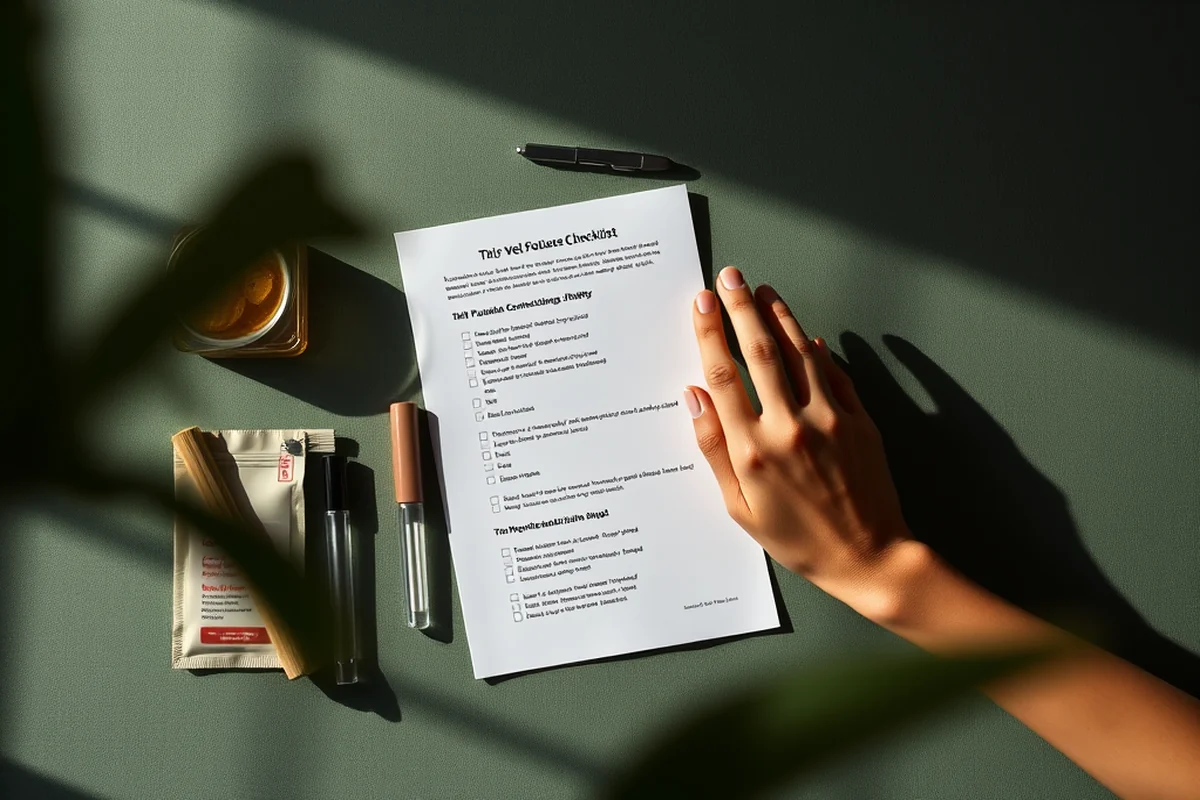
I use a mirror to check my posture at the start and end of my routine. This helps me see subtle improvements over time. At first, it was hard to notice a difference, but after two weeks, my posture looked more centered and balanced.
I also take pictures of myself from the front and side to compare my alignment. This visual feedback is powerful. I’ve noticed that my shoulders are no longer rounded, and my head is now centered over my spine — a huge shift in just a few weeks.
Tracking changes in posture is not just about visual feedback — it’s also about how I feel. My lower back pain has decreased significantly, and I can sit for longer periods without needing to stretch. These are the real indicators of success.
Related: How to posture correction routines
Customizing for Different Lifestyles
I modified my checklist to fit different lifestyles. For example, if I’m working from home, I do a quick 5-minute routine every hour to keep my muscles active and my posture aligned. This has helped me avoid the stiffness that used to come with sitting for long periods.
For someone who’s physically active, the checklist includes more dynamic movements like cat-cow stretches and planks. These help maintain flexibility and prevent injury from repetitive motions. I’ve found that incorporating these exercises into a workout routine improves overall performance.
Even for busy parents, the checklist can be adapted. I recommend short, high-intensity stretches that can be done between tasks. These quick movements help break the cycle of prolonged sitting and encourage better posture throughout the day.[4]
⏱️ 5-Minute Quick Fix
A quick routine perfect for busy days. Includes three exercises that take just five minutes to complete.
💻 Desk-Friendly Routine
Ideal for office workers. Includes seated stretches and posture corrections you can do at your desk without leaving your chair.
👶 Beginner's Guide
A simplified version of the checklist for those new to posture correction. Focuses on foundational exercises and posture awareness.
🚀 Progression Plan
For those who have mastered the basics. Includes more advanced movements and increased repetition for deeper results.
🔄 Maintenance Routine
A daily routine to maintain long-term posture improvements. Designed for consistency and sustainability.
| The mistake | Why it happens | The fix |
|---|---|---|
| Skipping the routine on busy days. | Consistency is crucial for long-term posture improvement. Skipping even one day can slow progress and make it harder to re-establish a routine. | Find a time that works for you, even if it’s just 5 minutes. Make it a habit by setting a daily reminder or doing it right after waking up. |
| Doing the exercises without proper form. | Incorrect form can lead to injury or reduce the effectiveness of the routine. It’s important to focus on alignment and controlled movements. | Watch a tutorial or consult a physiotherapist to ensure you’re doing the exercises correctly. Record yourself if needed to check your form. |
| Ignoring the warm-up and cool-down phases. | Skipping the warm-up can increase the risk of injury, and not cooling down can leave your muscles tense and sore. | Always start with a 2-minute warm-up and end with a 2-minute cool-down. These phases help prepare your muscles and prevent stiffness. |
| Not adjusting the routine for your body’s needs. | Everyone’s body is different, and a one-size-fits-all approach won’t work for everyone. You may need to modify the exercises based on your strength and flexibility. | Listen to your body and make adjustments as needed. Experiment with different variations to find what works best for you. |
Related: Diy posture correction routines
Posture Correction Routines Checklist
Related: Best posture correction routines plans
Common Questions
How long does it take to see results from a posture correction routine?
Can I do these exercises if I have chronic back pain?
What if I don’t have time to do the full routine every day?
Do I need any equipment to follow this checklist?
References
- State Veterans' Homes (SVH) Corrective Action Plan (accesstocare.va.gov)
- South Carolina Early Learning Standards (ed.sc.gov)
- Postural Awareness - Stanford Environmental Health & Safety (ehs.stanford.edu)
- - DEPARTMENT OF DEFENSE AUTHORIZATION FOR ... (govinfo.gov)
Cite this guide
Postureload (2026). Posture Correction Routines Checklist. https://postureload.com/posture-correction-routines-checklist/
Feel free to cite or share this guide.
Posture Habit Score
Seven-question posture habits score with priorities to fix first.
Open it free →