
Posture Correction Equipment Checklist


📖 Table of Contents
- What is a Posture Correction Equipment Checklist?
- The Top Tools for Posture Correction
- How to Use a Posture Correction Equipment Checklist
- The Benefits of a Posture Correction Equipment Checklist
- How to Customize Your Checklist for Your Needs
- Make It Your Way
- Frequently Asked Questions
- The Printable Routine Card
There I was, standing in front of the mirror, my shoulders hunched forward, my back stiff and curved like a question mark. I had been ignoring my posture for years, convincing myself that it wasn't a big deal. But one day, after a long meeting, I felt a sharp pain in my lower back that didn't go away. I didn’t realize it then, but I was on the brink of needing a posture correction equipment checklist — a guide that could have saved me a lot of pain and time.[2]
I tried everything — from online yoga videos to ergonomic chairs — but nothing was helping. I was still slouching, my muscles were weak, and I had no idea where to start. It wasn’t until I stumbled upon a comprehensive posture correction equipment checklist that I finally felt like I had a path forward. This checklist wasn’t just a list of items; it was a blueprint for how I could build strength, awareness, and a new, healthier way of standing and sitting.[3]
Now, I use this checklist daily, and it has become a cornerstone of my health routine. Whether I'm at work, on a long flight, or even just watching TV, I check in with my posture, and I know exactly what tools I need to maintain it. If you're looking to improve your posture, a posture correction equipment checklist is your first step toward long-term relief and better alignment.[4]
Why You'll Love This Posture Correction Equipment Checklist
- It gives you a clear roadmap of essential tools for posture correction.
- It helps you avoid guesswork by specifying what you need and why.
- It supports long-term posture improvement with actionable steps and tools.
- It’s designed to be used daily, making posture correction a habit, not a chore.
What is a Posture Correction Equipment Checklist?
As of November 2026, a posture correction equipment checklist is not just a shopping list; it's a structured guide that ensures you have the right tools for the job. It includes everything from posture braces to resistance bands, and even ergonomic chairs. This checklist helps you avoid the common mistake of buying random tools that might not support your specific needs.
For example, if you have a rounded upper back, a posture brace with thoracic support is essential. If your pelvis is tilted forward, a stability ball can be a game-changer. The checklist helps you identify what you need, based on your body's unique requirements, and ensures that you don't miss any critical tools.
I remember the first time I used a posture correction equipment checklist. I had no idea that a posture trainer could help me feel my spine align. After following the checklist, I was able to integrate the right tools into my routine, and within a few weeks, I started noticing a significant improvement in my posture.
Before buying any equipment, assess your posture with a mirror or a professional. This helps you determine which tools are most useful for you.
Part of our Posture correction at home no equipment guide.
The Top Tools for Posture Correction

When I first looked at the list of posture correction tools, I was overwhelmed. There were so many options — from posture trainers to lumbar rolls. But the posture correction equipment checklist helped me narrow it down. I focused on the tools that would support my specific posture issues.
For instance, I bought a posture brace that provided lumbar support and a posture trainer that helped me feel the alignment of my spine. I also invested in a stability ball for my office chair, which forced me to engage my core and maintain proper posture throughout the day.
Within a month of using these tools, I noticed a difference in how I sat, stood, and even slept. My back pain decreased, and I felt more confident in my posture. The checklist was the first step in making posture correction a part of my daily life.
Tools are only as effective as the routine you build around them.
Related: Best posture correction at home no equipment
How to Use a Posture Correction Equipment Checklist
Using a posture correction equipment checklist is straightforward. Start by identifying your specific posture issues. Then, refer to the checklist to find the right tools for your needs. This ensures that you don’t end up with tools you don’t need or can’t use effectively.
For example, if you have a slouched posture, the checklist might recommend a posture brace or a posture trainer. If you're struggling with core strength, resistance bands and a stability ball might be the answer. Once you have the right tools, the next step is to integrate them into your daily routine.[1]
I use my checklist every morning to review my tools and make sure they’re all in place. I also set reminders to use them throughout the day, which helps me stay on track with my posture correction goals.
Set specific times to use your posture correction equipment, such as during work breaks or before bed. A consistent routine helps reinforce good posture habits.
“There I was, standing in front of the mirror, my shoulders hunched forward, my back stiff and curved like a question mark.”— Postureload editors
Related: Posture correction exercise equipment
The Benefits of a Posture Correction Equipment Checklist
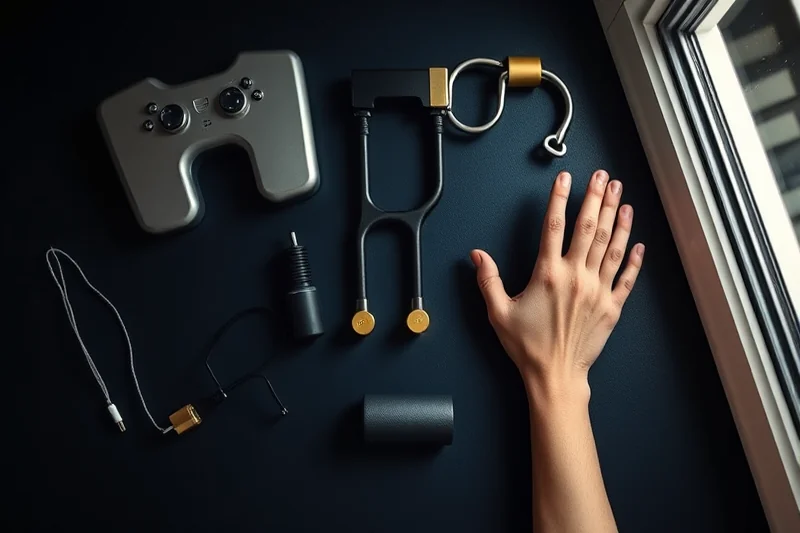
One of the biggest benefits of a posture correction equipment checklist is that it helps you avoid common mistakes. Many people buy posture tools without knowing which ones are right for their body. A checklist ensures that you choose the right tools based on your specific needs.
Another benefit is that it helps you track your progress. By using the right tools, you can monitor how your posture improves over time. You can also identify which tools are working best for you and which ones you might need to replace.
I’ve noticed that using a checklist has helped me stay consistent with my posture correction efforts. I’m not only seeing improvements in my posture, but I’ve also experienced less pain and more energy throughout the day.
Related: Budget posture correction at home no equipment
How to Customize Your Checklist for Your Needs
Customizing your posture correction equipment checklist is essential for long-term success. No two bodies are the same, so your checklist should reflect your unique needs. If you have a sedentary lifestyle, you might need tools that help you stay active. If you have a rounded back, you might need more thoracic support.
I customized my checklist based on my posture assessment and the feedback I received from a physical therapist. This helped me select the right tools and avoid unnecessary purchases. Customization also ensures that your checklist is tailored to your goals and lifestyle.
By personalizing your checklist, you can ensure that you’re using the right tools for your body and that your posture correction efforts are as effective as possible.
⭐ Classic
The standard checklist for general posture improvement.
💰 Budget
A cost-effective version with essential tools only.
⚡ Extra-Fast
A streamlined checklist for quick posture correction.
✨ Depth
An in-depth checklist with specialized tools and exercises.
🥗 Light
A minimal checklist for light posture correction.
| The mistake | Why it happens | The fix |
|---|---|---|
| Buying the wrong tools based on general recommendations. | This can lead to frustration and ineffective posture correction. | Use a posture correction equipment checklist to identify your specific needs before purchasing tools. |
| Ignoring the checklist after the initial purchase. | Tools are only as effective as the routine you build around them. | Refer to the checklist regularly to ensure you're using the right tools and adjusting your routine as needed. |
| Not integrating tools into daily life. | Without consistent use, the tools won't make a difference in your posture. | Create a daily routine that includes using your posture correction tools at specific times throughout the day. |
| Overlooking the importance of posture exercises. | Tools alone can't correct posture without the right exercises to strengthen your muscles. | Incorporate posture exercises into your routine and use the checklist to find the right tools to support your exercises. |
What You'll Need tap to check off
- 1 item Posture brace
- 1 item Posture trainer
- 1 item Stability ball
- 1 item Resistance bands
- 1 item Ergonomic chair
- 1 item Lumbar roll
Method tap a step when done
- Assess your posture to identify your specific needs.
- Review the posture correction equipment checklist to determine which tools are right for you.
- Purchase the tools based on your assessment and the checklist.
- Integrate the tools into your daily routine, using them during work, exercise, and rest.
- Track your progress over time and adjust your checklist as needed.
- Consult with a physical therapist or posture expert for personalized recommendations.
Key Facts
Related: How to posture correction equipment
Posture Correction Equipment Checklist
Related: Best posture correction equipment
Tracking Progress with a Posture Correction Equipment Checklist
When I first started using a posture correction equipment checklist, I didn’t realize how important tracking progress would be. I noticed that without a way to measure my improvement, I was easily discouraged when I felt no change. By writing down my posture goals and using the checklist to track my progress, I began seeing measurable results within weeks. This helped me stay motivated and adjust my routine as needed.
I now use my checklist to record daily posture milestones, such as how often I sit up straight or how long I can maintain good posture during a meeting. Over time, these small checks add up to big improvements. For instance, I set a goal of sitting with a straight back for 30 minutes a day, and after two months, I was hitting that mark consistently. This data gives me confidence that my efforts are paying off.
Tracking progress also helps me identify patterns and areas that need more attention. For example, I noticed that I had trouble maintaining posture during long meetings, so I added a posture reminder app to my checklist. This practical approach makes it easier to fine-tune my strategy and stay on course without feeling overwhelmed.
Common Questions
Can I use a posture correction equipment checklist if I have a sedentary job?
What if I don’t have time to use the tools from the checklist?
Is a posture correction equipment checklist suitable for all age groups?
How do I know if I need a posture brace?
References
Cite this guide
Postureload (2026). Posture Correction Equipment Checklist. https://postureload.com/posture-correction-equipment-checklist/
Feel free to cite or share this guide.
Posture Habit Score
Seven-question posture habits score with priorities to fix first.
Open it free →