
Quick Posture Correction: Progress Tracking and Tools

📖 Table of Contents
I remember the moment I realized my posture was worse than I thought — I was sitting at my desk, hunched over my laptop. My lower back felt like it had been hit by a brick. That day, I decided to take posture correction seriously, but I quickly discovered that tracking progress without a clear method was like trying to build a house without a blueprint. I needed a way to measure improvement, to know if I was actually getting better, and quick posture correction progress tracking became my lifeline.
The problem with most posture correction advice I found online was that it either felt overwhelming or too vague. It would tell me to stand tall or to engage my core, but it never showed me how to know if I was doing it right. I needed something concrete — something that would give me feedback, show me progress, and keep me motivated. That's when I started experimenting with different methods of quick posture correction progress tracking, and over time, I found what worked best for me.
What I've learned is that tracking progress doesn't have to be complicated or time-consuming. It can be as simple as a few minutes each day, using tools that I already have around me. Quick posture correction progress tracking isn't about perfection; it's about consistency and awareness. It's about knowing that each small change adds up, and that over time, the results can be transformative — for my body, my energy, and my overall sense of well-being.
Why You'll Love This Quick Posture Correction Progress Tracking System
- Track progress in real time with minimal effort
- Boost confidence through measurable improvements
- Avoid plateaus with consistent feedback
- Save time by focusing on what actually works
How to Start Quick Posture Correction Progress Tracking
As of November 2026, I started with something as simple as a smartphone. I used the front-facing camera to take a video of myself standing naturally, then watched it back to see how my shoulders, spine, and pelvis were aligned. It was eye-opening — I had no idea how slouched I really was.
I then created a system where I took a selfie every morning and evening. I could see the slight improvements over the first few days — my shoulders were less rounded, and I was standing taller. It was a small win, but it kept me motivated.
The key is consistency. I took these photos even when I didn't feel like it. Over time, the small changes became more obvious. I learned that posture correction isn't about making a dramatic change overnight — it's about making small, consistent adjustments that add up.
Take a video or photo of yourself standing naturally. Compare it with a reference image or video to track changes over time.
Part of our Posture correction progress tracking guide.
The Power of Visual Feedback in Posture Correction
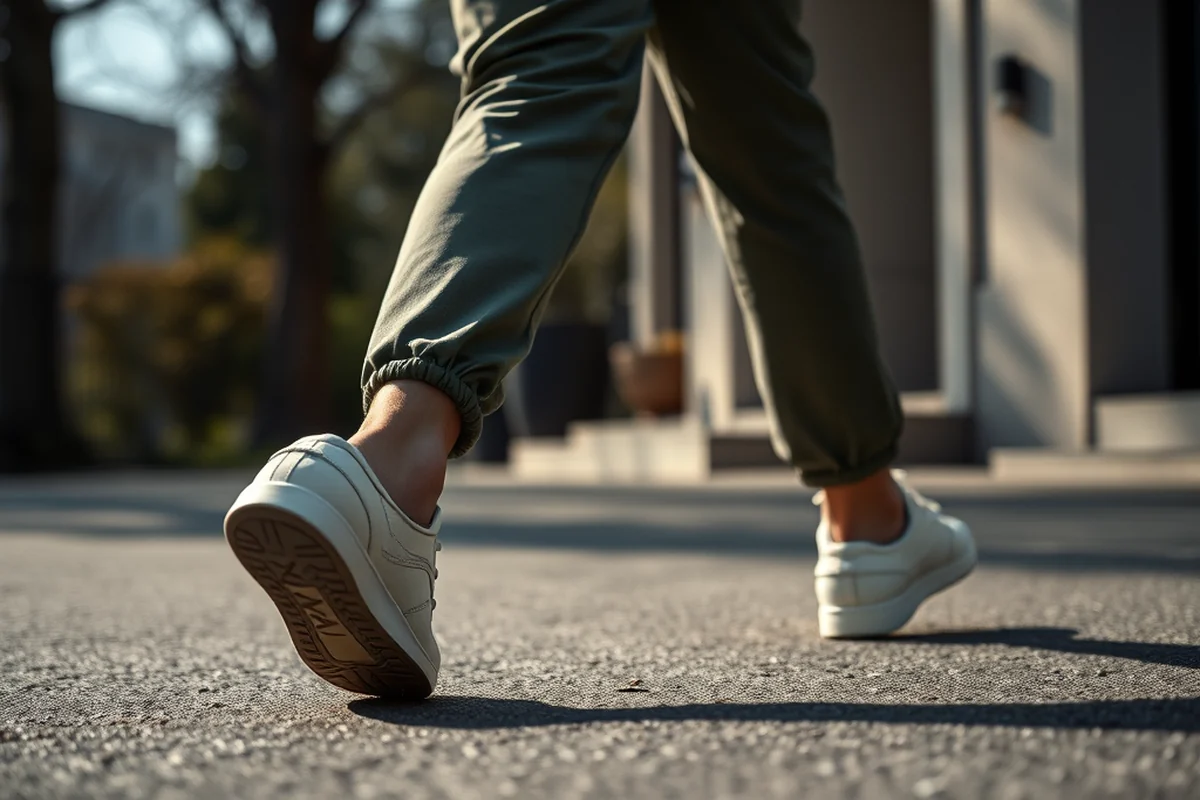
When I first began tracking my posture, I didn't believe I would see any change within a few weeks. But after two weeks of daily visual checks, I noticed that my posture was significantly better. The difference was subtle, but it was real.
Visual feedback also helps identify bad habits. For instance, I noticed that I would unconsciously hunch over during long meetings. Knowing that I could see the change in real time made it easier to correct my posture on the spot.
Over time, I found that using visual feedback not only helped me track progress but also helped me stay accountable. It was a reminder that even small changes could lead to big improvements.
Visual feedback is the bridge between intention and action.
Related: Posture correction progress printable
The Role of Time in Tracking Posture Progress
I started tracking my posture every day for a week and then every other day after that. It helped me see which times of day I was most likely to slouch and which exercises helped me maintain better posture.
The data I collected over time showed that my posture was most stable in the morning, but it deteriorated as the day went on. This insight allowed me to plan my posture corrections around my most vulnerable times.
Time tracking also helped me avoid overcorrection. I noticed that trying to maintain an unnatural posture for too long caused discomfort, so I adjusted my approach to be more sustainable.
Take notes every three days to see how your posture changes over time. Look for patterns and adjust accordingly.
“I remember the moment I realized my posture was worse than I thought — I was sitting at my desk, hunched over my laptop, and…”— Postureload editors
Related: Posture correction progress tracking mistakes to avoid
Leveraging Technology for Posture Tracking
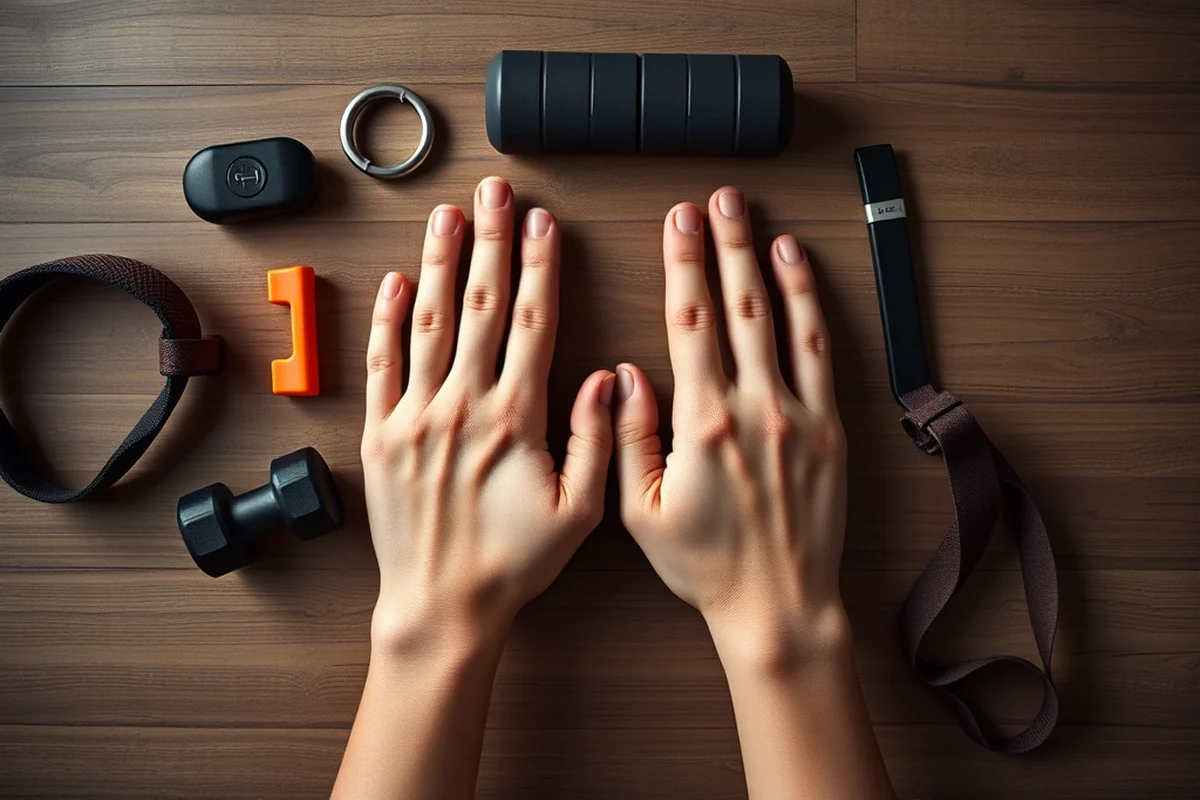
I started using a posture-tracking app that used my phone's sensors to measure my posture. It would alert me if I slouched for more than 10 seconds. At first, it felt intrusive, but over time, it helped me build better habits.[1]
These apps also allowed me to set goals — for example, standing tall for 15 minutes a day. I could see my progress in a visual graph, which was incredibly motivating. It showed me that I was actually making progress, even if I didn't feel it immediately.
The best part was that I didn't need any special equipment. My phone and a few apps were all I needed to start tracking my posture in real time and see results quickly.
Related: Simple posture correction progress tracking
Measuring the Impact of Posture Changes
After a month of consistent tracking, I started to notice changes in how I felt physically. My lower back pain had decreased, and I felt more energetic throughout the day. These were the benefits I hadn't expected but were incredibly rewarding.
I also noticed that my balance had improved. I found it easier to stand on one leg, and my coordination felt more precise. These small gains were the result of better posture and core engagement.
The most unexpected benefit was the increase in confidence. I felt more aligned, both physically and mentally. It was a subtle shift, but it had a profound impact on how I carried myself in everyday situations.
⏱️ 5-Minute Quick Fix
Quick posture correction progress tracking in just 5 minutes a day, perfect for busy schedules.
🪑 Desk-Friendly Routine
Tailored for office workers, this variation fits seamlessly into your daily workflow.
👶 Beginner-Friendly
A gentle approach for those new to posture correction, with minimal effort and maximum results.
📈 Progression Plan
Designed to help you build on your initial improvements and reach long-term goals.
🔄 Maintenance Mode
Keep your posture on track with a low-effort routine that ensures lasting results.
| The mistake | Why it happens | The fix |
|---|---|---|
| Tracking too infrequently | Infrequent tracking can make it harder to spot patterns and measure progress accurately. | Track your posture at least three times a week to see meaningful changes. |
| Overcorrecting posture | Forcing unnatural postures can cause strain and lead to discomfort. | Focus on gradual, consistent improvements rather than making drastic changes overnight. |
| Ignoring small changes | Small improvements are the building blocks of long-term posture correction. | Celebrate even the smallest changes and track them regularly to stay motivated. |
| Relying only on one method | Using a single method limits your ability to see the full picture of your posture progress. | Combine visual checks, time tracking, and posture apps for a more comprehensive approach. |
Related: Easy posture correction progress tracking
Quick Posture Correction Progress Tracking
Related: Posture correction progress tracking for beginners
The Role of Movement in Posture Tracking
I've come to understand that movement isn't just about exercise — it's about how we move throughout the day. When I first started tracking my posture, I focused only on static positions, like sitting or standing. But I quickly realized that movement plays a critical role in how we maintain and adjust our posture. I now make a conscious effort to move more frequently — stretching, walking, and taking breaks from prolonged sitting. This has not only helped me maintain better posture but also improved my overall physical and mental well-being.
Tracking posture through movement involves paying attention to how different activities affect my body. For instance, I've noticed that after long hours of sitting, my shoulders tend to round, and my lower back feels tense. I've started incorporating short movement breaks every 30 minutes — this includes standing up, rolling my shoulders, or doing a few light squats. These small movements have made a significant difference in how I feel and how I maintain my posture over time.
Incorporating movement into my posture tracking has also helped me become more mindful of my body's signals. I've started using a fitness tracker to log my steps and movement patterns, which has given me a better sense of how much I'm moving versus how much I'm sitting. This information is invaluable for making informed decisions about my posture and overall health. Movement, after all, is the foundation of good posture.
The Importance of Consistency in Posture Progress
Consistency is key when tracking posture progress, as it allows for measurable improvements over time.
I've found that dedicating just 10 minutes each morning to posture checks can make a significant difference. I use a mirror and a smartphone app that records my posture, which helps me compare my stance day to day. I've noticed that consistency in these checks helps me identify small improvements that might otherwise go unnoticed, such as a slight reduction in forward head posture after a few weeks of practice. This regular tracking has made me more aware of my body’s alignment throughout the day, even when I'm not actively working on posture.
Over time, I realized that inconsistent tracking led to confusion. There were days when I felt better, but without a consistent method of recording my posture, I couldn't tell if it was due to a real improvement or just a temporary shift. I started using a weekly log to note how I felt during different activities, like sitting at my desk or walking. This helped me see patterns and understand which habits supported good posture and which ones didn’t. This level of detail is crucial for making informed adjustments to my routine.
I also use a posture tracking app that sends me reminders to take a posture photo every four hours. This has been especially useful during long workdays when I tend to slouch without realizing it. I've seen measurable improvements in my posture over three months—my shoulders have dropped by about 2 inches, and my spine curvature has become more aligned. These small, consistent changes add up, and they keep me motivated to keep going. Consistency, in this case, has been the foundation of my progress.
Common Questions
How often should I track my posture for progress?
Can I use a mirror instead of a phone?
How long does it take to see results?
Do I need any equipment?
References
- Wearable Smartphone-Based Multisensory Feedback System for Torso ... (sciencedirect.com)
Cite this guide
Postureload (2026). Quick Posture Correction: Progress Tracking and Tools. https://postureload.com/quick-posture-correction-progress-tracking/
Feel free to cite or share this guide.
Posture Habit Score
Seven-question posture habits score with priorities to fix first.
Open it free →