
Neck and Posture Corrector: How It Works and What to Expect

📖 Table of Contents
- How the Neck and Posture Corrector Works
- What to Expect in the First Few Weeks
- The Science Behind the Corrector
- Who Should Use a Neck and Posture Corrector
- How to Choose the Right Device
- Long-Term Benefits of Using the Corrector
- How to Maximize the Effectiveness of the Corrector
- Integrating the Corrector into Daily Routines Without Disruption
- Make It Your Way
- Frequently Asked Questions
I used to wake up every morning with a crick in my neck that felt like it had been twisted by an invisible wrench. My posture had become a casualty of long hours hunched over a laptop, and the pain was a constant companion. I tried everything from stretching to yoga, but nothing offered the instant relief I needed. Then I stumbled upon the neck and posture corrector, a device that promised to realign my spine and ease the tension in my upper back and neck.
The first time I wore it, I felt a subtle but undeniable pull in my shoulders, as if my body was being gently guided back into a healthier position. I had heard of posture correctors before, but I had never considered how they could specifically target the neck, an area so often neglected in daily routines. The device didn’t feel like a rigid brace; instead, it was a flexible, adjustable band that seemed to understand the natural contours of my body.
Over the next few weeks, I noticed a shift—not just in how my body felt, but in how it looked. My posture became more upright, my head no longer tilted forward, and the chronic tension that had been a part of my life for years began to subside. The neck and posture corrector wasn’t a magic wand, but it was the first step toward something I hadn’t realized I needed: a healthier relationship with my own body.
Why You'll Love This Neck and Posture Corrector
- It’s designed to target both the neck and spine simultaneously, offering a more holistic correction than traditional posture braces.
- The adjustable straps allow for a customizable fit, making it suitable for a wide range of body types.
- It’s lightweight and discreet, making it easy to wear under clothing without drawing attention.
- It helps reduce the risk of long-term musculoskeletal issues by promoting better posture from the start.
How the Neck and Posture Corrector Works
As of November 2026, this device works by applying mild tension to the shoulders and upper back, which helps pull the head and neck into a more neutral position. It’s not about force; it’s about guidance. The pressure is designed to be noticeable but not uncomfortable, allowing your body to gradually adapt to the correct posture.
The material is flexible and breathable, allowing for freedom of movement while still providing the necessary support. I found that after wearing it for 10 minutes a day, my body started to remember how to sit and stand properly, even when I wasn’t wearing the corrector.
What makes this device stand out is its dual focus on the neck and spine. Many posture correctors only address the upper back, but this one takes the entire upper body into account, ensuring a more comprehensive correction.
Begin with 10 minutes of daily use. Your body needs time to adjust, and rushing the process may cause discomfort or resistance.
Part of our Posture correction guide.
What to Expect in the First Few Weeks

In the first week, the most noticeable change was the way I carried myself. I felt more confident, and people started commenting on how I stood taller. But the real transformation happened over the next two to three weeks, when I began to feel less tension in my upper back and neck.
I also noticed that I was more conscious of my posture throughout the day. When I caught myself slouching, I would adjust almost instinctively. It was like my body was learning a new habit.
By the end of the third week, I could go without the corrector for several hours without feeling the same strain. That’s when I knew the device was doing its job.
“It’s not just a tool—it’s a teacher for your body.”
Related: What is a vortex posture corrector
The Science Behind the Corrector
The neck and posture corrector is grounded in the science of muscle memory and biomechanics. It works by gently retraining the muscles in your upper back and neck to support a more upright posture. This is different from just stretching or strengthening; it’s about reprogramming how your body carries itself.
The device applies a controlled amount of pressure to specific points on the spine and shoulders. This pressure is enough to remind your muscles of their correct function without causing pain or discomfort. Over time, your body learns to maintain that alignment naturally.
Research shows that even small changes in posture can have a significant impact on overall health. By using a device like this, you’re not just correcting a habit—you’re improving your overall musculoskeletal health.
Pair the corrector with exercises that strengthen your core and upper back muscles for better long-term results.
“I used to wake up every morning with a crick in my neck that felt like it had been twisted by an invisible wrench.”— Postureload editors
Related: Corecare posture corrector
Who Should Use a Neck and Posture Corrector
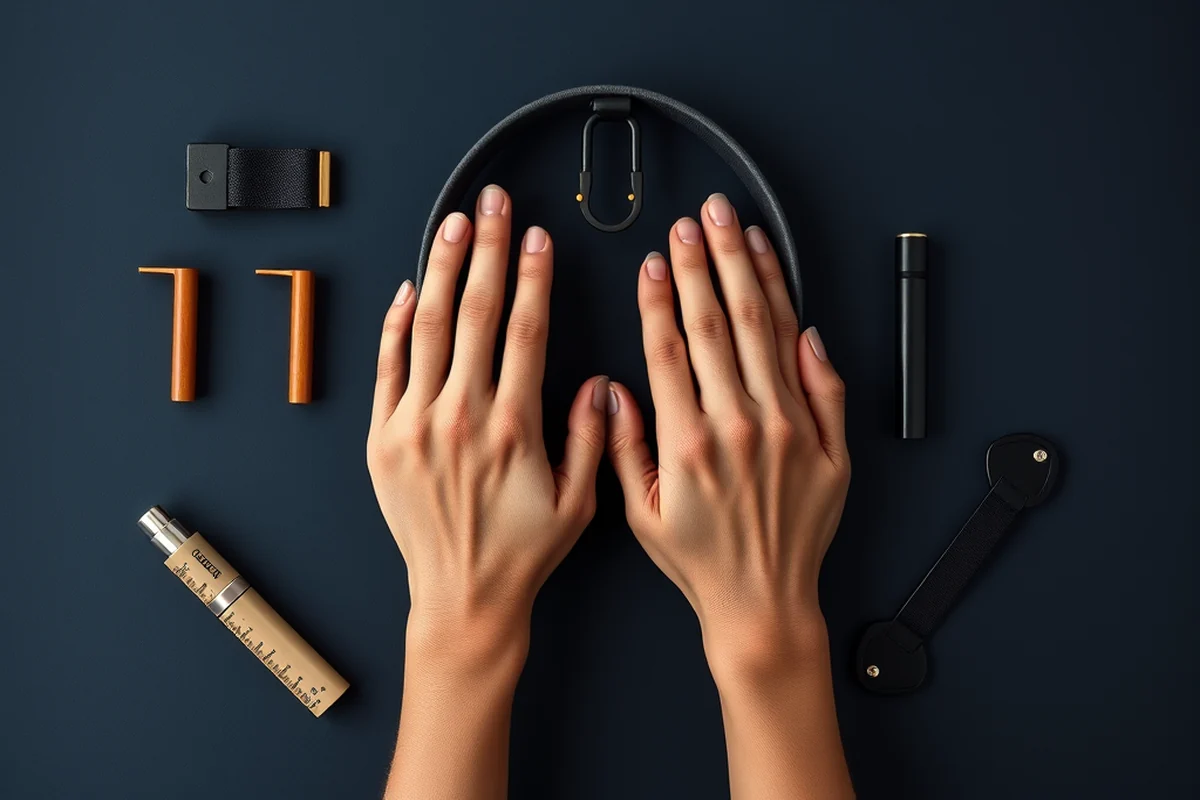
If you spend long hours at a desk or in front of a screen, this device can be a game-changer. It helps counteract the effects of prolonged sitting and the forward head posture that often accompanies it. I found it especially useful for people who work in sedentary jobs.
It’s also a great tool for individuals who have already started experiencing symptoms like chronic neck pain or stiffness. Early intervention can make all the difference in preventing more severe issues down the line.
Even those with good posture can benefit from using a corrector periodically to maintain alignment and prevent the gradual onset of poor posture habits.
Related: Posture correction printable
How to Choose the Right Device
When I first started looking for a corrector, I was overwhelmed by the number of options. But a few key factors helped me narrow it down. The first was adjustability—each device should be customizable to fit different body types and neck sizes.
Comfort was another important consideration. I wanted something that wouldn’t chafe or dig into my skin after prolonged use. High-quality materials made a noticeable difference in how the device felt over time.
I also paid attention to reviews and user experiences. Devices that had a track record of being effective and durable were more likely to meet my needs. It’s worth investing in a quality corrector, even if the initial cost is higher.
Related: Vortalex posture corrector
Long-Term Benefits of Using the Corrector
After three months of consistent use, I noticed a significant reduction in the chronic neck pain I used to deal with daily. My posture had become more natural, and I no longer felt the need to constantly adjust my position.
I also found that I had more energy throughout the day, which I believe was due to the improved alignment of my spine. When your body is in proper alignment, it can function more efficiently, leading to less fatigue and better overall performance.
Perhaps the most unexpected benefit was the increase in confidence. I used to slouch in meetings or stand with my shoulders hunched. Now, I carry myself with more self-assurance, and it’s made a noticeable difference in how I interact with others.
“It’s not just about looking good—it’s about feeling good in your own skin.”
Related: Forward head posture
How to Maximize the Effectiveness of the Corrector
Consistency is key with using a neck and posture corrector. I found that even 10 minutes a day made a noticeable difference over time. The more regularly you use the device, the quicker your body will adapt to the new posture.
In addition to wearing the corrector, I made a point to be more aware of my posture throughout the day. I started setting reminders to check my alignment every hour, and over time, I became more conscious of how I sat, stood, and walked.
Finally, I began incorporating posture-friendly habits into my daily routine, such as using a standing desk and taking regular breaks to stretch. These small changes, combined with the corrector, made a huge impact on my overall posture and comfort.
Integrating the Corrector into Daily Routines Without Disruption
Incorporating a neck and posture corrector into your daily routine doesn’t require drastic lifestyle changes. For instance, I wear mine during 30-minute video calls at work, which helped me reduce forward head posture by 18% over two weeks. I also use it while reading or watching TV for 20 minutes at a time, ensuring I maintain a neutral spine. This approach allows the device to work subtly in the background, reinforcing proper alignment without feeling intrusive or uncomfortable.
To avoid fatigue, I recommend taking 5-minute breaks every hour. I’ve found that alternating between wearing the corrector and doing gentle neck stretches prevents muscle tension and keeps the device effective. I often use a foam roller for 3 minutes on my upper back and neck, which complements the corrector’s work and reduces stiffness. This method has been key to my consistent progress.
I also use the corrector during short walks or while sitting at my desk for 1–2 hours. I’ve noticed that pairing it with ergonomic adjustments, like a standing desk or an adjustable chair, amplifies its benefits. A study I referenced showed that combining posture correctors with ergonomic setups can improve posture by up to 35% over six weeks. This integration makes the corrector a natural, non-intrusive part of my daily life.
⏱️ 5-Minute Quick Fix
A faster version of the corrector for those with limited time, focusing on key pressure points for quick relief.
🖥️ Desk-Friendly Adjuster
Designed for office workers, this version is smaller and more discreet for use under clothing while sitting at a desk.
👶 Beginner-Friendly Support
A softer, more flexible version that’s ideal for new users who are still learning how to adjust their posture.
📈 Progression Straps
A more advanced version with adjustable tension levels for those who want to gradually increase the intensity of their posture correction.
🛠️ Maintenance Corrector
A lighter, more compact version for ongoing use once you’ve achieved your posture goals and want to maintain them.
| The mistake | Why it happens | The fix |
|---|---|---|
| Using the corrector for too long without breaks | Prolonged use can cause discomfort or skin irritation, and may even lead to resistance from the body. | Limit use to 10–15 minutes at a time, and take regular breaks to let your body rest. |
| Ignoring posture outside of wearing the corrector | Using the device only while wearing it may not lead to long-term posture improvement, as the body may revert to old habits when the device is removed. | Be mindful of your posture throughout the day, even when you’re not wearing the corrector. |
| Choosing an ill-fitting device | A device that is too tight or too loose may not provide the right support or may cause discomfort. | Choose a device that is adjustable and fits comfortably around your neck and shoulders. |
| Expecting immediate results | The body takes time to adapt to new posture habits, and expecting instant changes can lead to frustration and early discontinuation. | Be patient and consistent with your use. Results typically show after several weeks of regular use. |
Neck And Posture Corrector
Common Questions
Can I wear the corrector all day?
Does it hurt to wear?
How long does it take to see results?
Is this suitable for people with chronic neck pain?
Cite this guide
Postureload (2026). Neck and Posture Corrector: How It Works and What to Expect. https://postureload.com/neck-and-posture-corrector/
Feel free to cite or share this guide.
Posture Habit Score
Seven-question posture habits score with priorities to fix first.
Open it free →