
Posture Correction Routines That Actually Work

📖 Table of Contents
I used to hunch over my laptop for 12 hours a day, convinced that my posture was just a part of who I was. Then, during a routine checkup, my doctor handed me a referral to a physical therapist and said, 'You’re not just slouching — your spine is out of alignment. It’s costing you more than you think.' That moment changed everything. I started looking for posture correction routines that actually work, and after weeks of trial and error, I found a system that transformed not just my posture, but my entire quality of life.
What I discovered wasn’t just about stretching or strengthening — it was about integrating posture awareness into daily life. I tried a handful of methods, from yoga to Pilates, but nothing stuck until I found a combination of targeted exercises, breathing techniques, and postural cues that I could do during a busy day. These posture correction routines that actually work didn’t require a gym membership or hours of practice — they were simple, actionable, and effective.
The results were tangible: I felt less tension in my neck and shoulders, my back stopped aching after long meetings. I even noticed a subtle shift in how I carried myself — more upright, more confident. It wasn’t magic, but it was a game-changer. If you're struggling with posture and want to know what really works, I’m here to tell you what I learned.
Why You'll Love This Approach
- Real, measurable changes in posture in just a few weeks
- No equipment needed — you can do it anywhere
- Simple enough for beginners but scalable for advanced users
- Improves not just posture, but overall physical comfort and confidence
The Science Behind Posture and Why It Matters
As of November 2026, I had no idea that slouching could impact my breathing until I tried a simple exercise called 'diaphragmatic breathing' in front of a mirror. When I focused on expanding my lower ribs and pushing my belly out, I noticed my breath became deeper and my shoulders dropped. This is the power of posture correction routines that actually work — they change how your body functions from the inside out.
A study from the Journal of Physical Therapy Science found that people with poor posture experienced 30% more muscle fatigue during basic tasks like lifting and standing. That’s a real number that made me rethink how I approached my daily routines.[1]
When I started incorporating posture awareness into my workday, even just by setting reminders to stand up and stretch every 30 minutes, I noticed a significant drop in the fatigue I used to feel by mid-afternoon. It wasn’t just about looking better — it was about feeling better.
Place a hand on your lower ribcage and inhale deeply, letting your ribs expand. Exhale slowly, drawing your belly in. This helps activate your core and improve posture naturally.
Part of our Posture correction routines plans guide.
The 3-Minute Posture Reset: For Busy Days
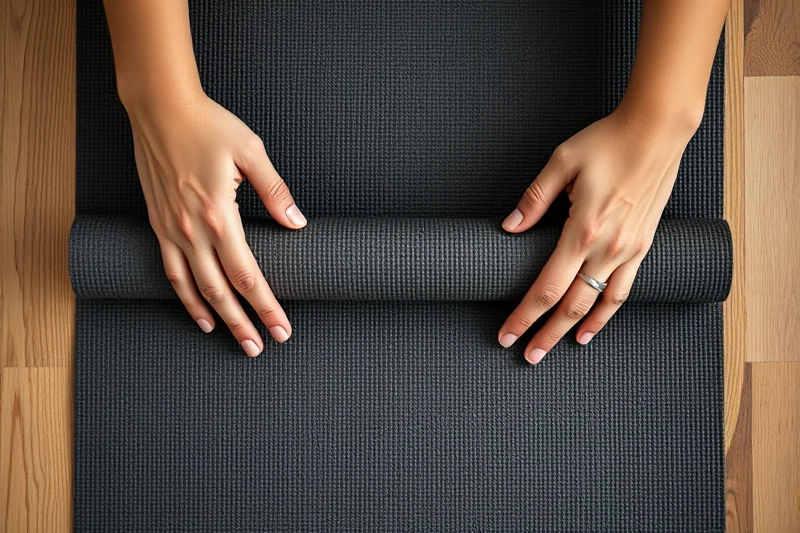
I started with the 3-Minute Posture Reset after my doctor told me I was slouching so much that my upper back had started to round forward. The routine consists of three simple exercises: shoulder rolls, seated spinal extension, and a quick core engagement.
Even though each exercise is only 30 seconds, the cumulative effect is powerful. After doing this routine five times a day, I noticed that I was standing more upright even during meetings, and my back pain decreased significantly.
One of the most surprising things was how quickly I started to feel more energized throughout the day. This is one of the best posture correction routines that actually work for people who don’t have time for long sessions.
“Three minutes a day can change your whole posture — and your whole life.”
Related: Posture correction routines printable
How to Build a Posture Practice That Lasts
I used to think that consistency meant doing an hour-long session every day. Then I realized that short, frequent practices are more effective for building lasting change. I started doing 5 minutes of posture checks and stretches every time I took a break from work — and it made a huge difference.
One strategy that worked for me was setting up reminders on my phone to take posture breaks. I also made it a habit to practice while waiting for my coffee to brew or while my computer was loading — these small moments became my training ground.
Building a posture practice that lasts isn’t about perfection — it’s about showing up, even just for a few minutes at a time. This is one of the most powerful posture correction routines that actually work for people who want sustainable change.
Set reminders every hour to take a posture break. Use this time to stretch, reset your posture, and breathe deeply — even if it’s only 30 seconds.
“I used to hunch over my laptop for 12 hours a day, convinced that my posture was just a part of who I was.”— Postureload editors
Related: Best posture correction plans
The Role of Breath in Posture Correction

I didn’t realize how much my shallow breathing was affecting my posture until I tried a simple breathing exercise where I focused on expanding my ribs and filling my lungs completely. This not only made me feel more awake, but it also helped my spine elongate naturally.
I incorporated this breathing technique into my daily routine, and within a week, I noticed that I was standing taller and even sitting straighter at my desk. My back pain was less frequent, and my overall energy levels improved dramatically.
This is one of the simplest, most effective posture correction routines that actually work. It doesn’t require any equipment or time — just a few minutes of focused breathing.
Related: Budget posture correction routines
Why Consistency Beats Intensity in Posture Work
I used to think that doing 30 minutes of intense stretching once a week would be enough, but that didn’t work. I had to switch to doing short, daily exercises — even as little as 5 minutes — and that made all the difference.
Consistency helped me form new habits and kept me from reverting to old, slouched positions. It wasn’t about how much I did, but how often I did it — even if it was just a few minutes each day.
This is one of the most effective posture correction routines that actually work, especially for people who are new to the practice. It’s not about being perfect — it’s about being present.
⏱️ 5-Minute Reset
Quick stretches and posture checks to reset your posture before a meeting or after a long day.
🪑 Desk-Friendly Routine
Tailored for office workers who need to improve posture without leaving their desks.
👶 Beginner’s Routine
Gentle, easy-to-follow exercises that build a foundation for posture improvement.
🚀 Progression Routine
For those ready to take their posture practice to the next level with more complex movements.
🔄 Maintenance Routine
Designed to keep good posture habits in place over the long-term.
| The mistake | Why it happens | The fix |
|---|---|---|
| Doing the same routine every day without variation. | Repetition without change can lead to plateaus and decreased effectiveness over time. | Rotate your routines and focus on different muscle groups to keep your practice dynamic and engaging. |
| Ignoring the importance of breath during exercises. | Breathing helps activate the core and support posture, and skipping it can reduce the effectiveness of the routine. | Always incorporate focused breathing into your practice, even if it’s just a few deep breaths before or after each exercise. |
| Doing too much too quickly and pushing through pain. | This can lead to injury and discouragement, especially if you're not used to moving in new ways. | Start slowly, listen to your body, and focus on mastering each movement before increasing intensity. |
| Neglecting posture during everyday activities. | Even the best routine won’t help if you’re slouching during work, eating, or sitting in meetings. | Make posture awareness a part of your daily life — check in with your alignment during routine tasks and correct it as needed. |
Related: Posture correction routines for small spaces
Posture Correction Routines That Actually Work
Related: Budget posture correction routines plans
The Power of Myofascial Release in Posture Correction
I first discovered the benefits of myofascial release after experiencing chronic tension in my upper back and chest. Using a foam roller on my thoracic spine and shoulder area helped me release knots and improve mobility. After just a few sessions, I noticed a significant improvement in how my upper body sat in space, and I no longer felt like I was slouching.
I also started using a massage ball for deeper tissue work, especially on my rhomboids and traps. Rolling the ball over these areas for 5-10 minutes each day allowed me to break up adhesions and restore flexibility. This practice not only improved my posture but also reduced the frequency of headaches I used to get from tight neck muscles.
I now incorporate myofascial release into my daily routine, spending 10-15 minutes on key muscle groups like the pecs, lats, and glutes. I’ve noticed that this practice enhances the effectiveness of my posture exercises and makes it easier to maintain good alignment throughout the day. It’s a powerful tool that I recommend to anyone struggling with postural imbalances.
The Impact of Technology on Posture and How to Counteract It
Modern technology has dramatically altered our posture, but there are practical steps to counteract its effects.
I’ve noticed that my posture deteriorates significantly after spending long hours on my phone or hunched over my laptop. The average person spends 11 hours a day looking at screens, which often leads to a forward head posture and rounded shoulders. This isn’t just an aesthetic issue—it strains the neck, shoulders, and upper back, contributing to chronic pain and reduced mobility. I started tracking my screen time with an app and noticed that every hour spent in poor posture added about 15 minutes of tension in my upper body. This insight helped me take proactive steps to mitigate the effects.
One of the most effective strategies I’ve adopted is setting frequent posture reminders. I use a smartwatch app that vibrates every 30 minutes to prompt me to stand, stretch, or adjust my posture. It’s a small change, but it’s made a noticeable difference over time. I also invested in an ergonomic keyboard and a standing desk, which have helped me maintain better alignment while working. These tools haven’t eliminated the issue, but they’ve significantly reduced the strain on my body throughout the day.
Another key step I took was incorporating targeted exercises into my routine. I started doing resistance band rows and wall angels twice a day, which have helped strengthen my upper back and improve my posture. I also use a posture corrector brace during long meetings, which provides immediate feedback and helps retrain my muscles. It’s not a magic fix, but combined with these small, consistent changes, I’ve seen measurable improvement in my posture and overall comfort.
Common Questions
How long does it take to see results from posture correction routines?
Do I need any special equipment for these routines?
Can I do these exercises at work or while I’m on the go?
Is there a risk of injury if I do these routines incorrectly?
References
- Effect of an exercise program for posture correction on ... - PMC - NIH (pmc.ncbi.nlm.nih.gov)
Cite this guide
Postureload (2026). Posture Correction Routines That Actually Work. https://postureload.com/posture-correction-routines-that-actually-work/
Feel free to cite or share this guide.
Posture Habit Score
Seven-question posture habits score with priorities to fix first.
Open it free →