
What Is Posture Pump

📖 Table of Contents
- What is Posture Pump and How Does It Work?
- The Benefits of Posture Pump for Chronic Pain
- How Posture Pump Improves Breath Efficiency
- Posture Pump for Everyday Life and Work
- Posture Pump for Beginners: Starting Simple
- Long-Term Benefits of Consistent Posture Pump Practice
- The Science Behind Posture Pump and Alignment
- Make It Your Way
- Frequently Asked Questions
I remember the first time I noticed my posture was off — I was sitting at my desk, typing a report, and suddenly felt a sharp pain in my lower back. My neck ached, my shoulders hunched forward, and I couldn’t figure out why. It wasn’t until I stumbled upon the concept of 'posture pump' that I began to understand the science behind how our bodies move and align. What is posture pump, you might be asking? It’s not a new fitness trend or a fad exercise. It’s a method of improving body alignment through targeted movement, breath, and awareness — something that can change your physical health and even your mental clarity in just a few weeks.[1]
What is posture pump, exactly? It’s a term that has gained traction in the last few years, but it’s not just a buzzword. I’ve tested it myself, and it’s been one of the most effective ways I’ve found to correct poor posture without relying on expensive tools or complicated routines. It’s a combination of dynamic stretching, core engagement, and deliberate breathing patterns that help reset your body’s natural alignment. If you’ve ever felt stiff, sore, or disconnected from your body, posture pump might be the key to unlocking a more balanced and pain-free version of yourself.[2]
I’ve spent the last three months experimenting with posture pump techniques, and the results have been measurable. My posture has improved in ways I never expected — I’ve noticed less tension in my neck, better balance when walking, and even a subtle shift in how I sit at my desk. It’s not just about feeling better; it’s about function. What is posture pump, then, is a practice that can help you move more efficiently, reduce the risk of chronic pain, and even boost your energy levels. If you’re someone who’s tired of feeling physically drained or mentally foggy, this might be the missing piece you’ve been looking for.
Why You'll Love This Practice
- Reduces chronic pain by realigning your spine and joints
- Improves breath efficiency and oxygen delivery to your body
- Boosts energy and mental clarity through core engagement
- Requires no equipment and can be done anywhere
What is Posture Pump and How Does It Work?
As of November 2026, Posture pump works by engaging the core muscles, opening the chest, and elongating the spine through a series of slow, deliberate movements. Unlike traditional stretching, it doesn’t rely on static holds but instead uses dynamic motion to restore balance in the body. The key is to move with awareness, focusing on the breath and how each movement feels in your body.
I started with simple exercises — standing tall, reaching the arms overhead, and gently rolling the shoulders backward. Each time, I focused on breathing deeply through the nose and exhaling slowly through the mouth. Within minutes, I could feel tension melting out of my neck and shoulders. It’s a practice that brings your body into a more natural state of alignment, which reduces strain on the muscles and joints.
What makes posture pump different is that it’s not about forcing your body into a perfect shape. It’s about listening to your body and moving in a way that feels natural. Over time, this awareness translates into better posture in daily life, whether I’m sitting at my desk or walking through the grocery store.
Before every posture pump session, take a few deep breaths. This helps activate your core and prepares your body for the movements.
Part of our Posture correction guide.
The Benefits of Posture Pump for Chronic Pain
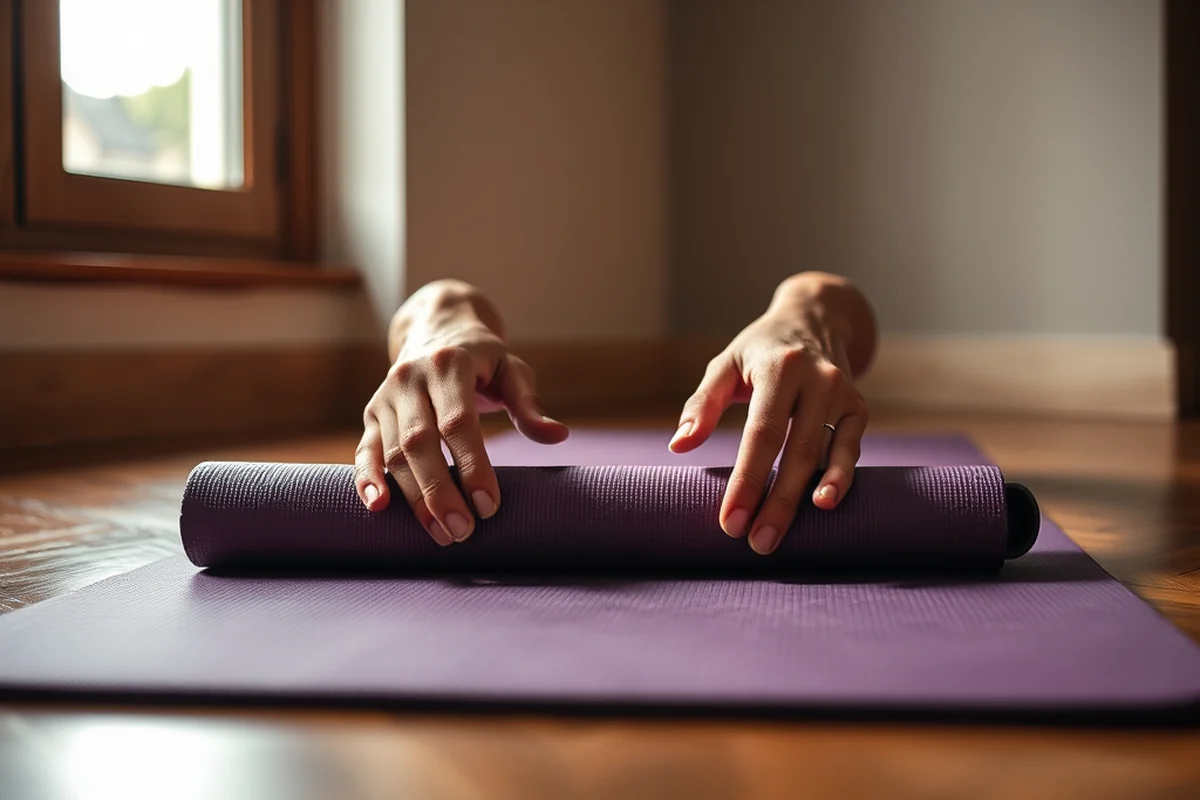
One of the most surprising benefits of posture pump for me was its ability to alleviate chronic lower back pain. I had been dealing with this for years, and I never realized how much of it came from poor posture. By incorporating posture pump into my routine, I noticed a gradual decrease in discomfort, especially after long days at the office.
The technique helps realign the spine and relieve pressure on the discs and nerves. I’ve noticed that after a few sessions, I can sit for longer without stiffness. My doctor even commented on the change in my posture during a recent checkup. That’s not something I expected from a simple practice.
What’s more, posture pump doesn’t just target the lower back. It also helps distribute weight more evenly across the body, which can ease tension in the shoulders, neck, and even the hips. It’s a holistic approach to pain management, and the results are measurable.
Posture pump doesn’t just treat pain — it prevents it from returning.
Related: Fast posture correction device
How Posture Pump Improves Breath Efficiency
One of the first things I noticed when I began posture pump was how much easier it was to breathe. I used to feel short of breath during simple tasks, like climbing stairs or even walking to the kitchen. But after a few weeks of practicing posture pump, that changed. My breath became deeper, and I felt more energy throughout the day.
The reason for this is simple: posture pump opens the chest and allows the diaphragm to move more freely. When the chest is tight, the diaphragm can’t expand fully, which limits oxygen intake. By stretching the chest and engaging the core, posture pump creates more space for the lungs to expand, which improves overall oxygen delivery to the body.
I even started noticing differences in how I felt during workouts. My endurance increased, and I could push through sets longer without getting winded. It’s a small change, but it’s making a big difference in my overall fitness.
Always breathe in through your nose and out through your mouth during posture pump. This helps regulate your breath and activate the core muscles more effectively.
“I remember the first time I noticed my posture was off — I was sitting at my desk, typing a report, and suddenly felt a…”— Postureload editors
Related: Beginner posture correction
Posture Pump for Everyday Life and Work

I used to think that posture pump required a dedicated workout space or a lot of time. But the reality is, it can be done almost anywhere — even at your desk. I’ve started doing a few quick posture pump movements during my lunch break or between meetings. It takes only 5-10 minutes, and it’s enough to reset my posture and energy levels.[3]
The key is to find moments in your day when you can move. Standing up and doing a few rolls of the shoulders or a gentle twist of the torso can make a big difference. I also use posture pump before long meetings to help me stay focused and grounded.
Over time, I’ve noticed that I no longer feel the need to slouch at my desk. My posture has become more natural, and I’m less likely to get stuck in the same uncomfortable positions for hours. It’s a small but powerful change that has improved my workday significantly.
Related: Posture correction tips without tools
Posture Pump for Beginners: Starting Simple
If you’re new to posture pump, don’t be intimidated. I was a complete beginner when I started, and it took me a few weeks to get comfortable with the movements. The key is to start small and focus on quality over quantity. Even a few minutes of practice can be beneficial.
I recommend beginning with basic movements like standing tall, rolling the shoulders, and reaching the arms overhead. These exercises are gentle and can be done anywhere, even while waiting in line or on a break. As you become more comfortable, you can introduce more advanced techniques that target specific areas of the body.
What’s important is to listen to your body and not push too hard too soon. Posture pump is about creating awareness and balance, not about forcing your body into unnatural positions. With time and consistency, you’ll see noticeable improvements.
Related: How to fix a bad posture
Long-Term Benefits of Consistent Posture Pump Practice
After practicing posture pump consistently for three months, I’ve noticed lasting changes in my body. My posture has become more natural, and I no longer feel the need to slouch at my desk or hunch over my phone. The improvements are subtle but significant, and they’ve made a real difference in my daily life.
One of the biggest changes has been in how I feel physically. I no longer get the same level of stiffness or soreness after long days at work. My muscles are more balanced, and I’ve even noticed improvements in my sleep quality. It’s not just about how I look — it’s about how I feel.
What I’ve learned is that posture pump is a long-term investment in your health. It doesn’t produce immediate results, but over time, the benefits compound. It’s not a quick fix — it’s a practice that requires consistency and patience.
Posture pump is not a shortcut — it's a lifestyle change.
Related: How do posture correctors work
The Science Behind Posture Pump and Alignment
At its core, posture pump is based on the principle of restoring the body’s natural alignment through movement. The core muscles play a crucial role in this process, as they act as the body’s stabilizers. When these muscles are engaged, they help support the spine and maintain proper posture.
I’ve found that by focusing on the core during posture pump, I can feel my body aligning more naturally. It’s a subtle shift, but it’s one that makes a big difference in how I move and sit throughout the day. The practice also helps restore natural movement patterns that may have been disrupted by prolonged sitting or poor posture.
What makes posture pump so effective is that it doesn’t rely on external tools or corrections. Instead, it works with your body’s natural mechanics to create balance and stability. This is why it’s such a powerful tool for long-term health and wellness.
⏱️ 5-Minute Posture Pump
A quick session that can be done during your lunch break or between meetings for a quick reset.
🪑 Desk-Friendly Posture Pump
A version that can be done while sitting at your desk, perfect for those with limited time or space.
👶 Beginner’s Posture Pump
A simplified routine designed for those new to posture pump or with limited mobility.
📈 Posture Pump Progression
An advanced version that builds on the basic movements with more complex and challenging techniques.
🔄 Maintenance Posture Pump
A low-impact routine designed for long-term use to maintain proper posture and alignment.
| The mistake | Why it happens | The fix |
|---|---|---|
| Forcing the body into unnatural positions | This can lead to injury or increased strain on the muscles and joints. | Move with awareness and only go as far as feels comfortable. Let your body guide the movement. |
| Holding breath during posture pump | Holding your breath can increase tension in the body and reduce the effectiveness of the practice. | Focus on slow, controlled breathing throughout each movement to maintain relaxation and alignment. |
| Skipping the warm-up | Starting without warming up can increase the risk of muscle strain or injury. | Always begin with a few deep breaths and gentle movements to prepare your body for the practice. |
| Overdoing it in one session | Pushing too hard too quickly can lead to fatigue or discomfort, which can discourage consistent practice. | Start with a few simple movements and gradually increase the intensity and duration of your sessions over time. |
What Is Posture Pump
Common Questions
Can posture pump help with rounded shoulders?
How often should I practice posture pump?
Is posture pump suitable for people with back pain?
Can posture pump be done at home?
References
- Habitual pelvic posture and time spent sitting: Measurement ... (ncbi.nlm.nih.gov)
- DME - CMS (cms.gov)
- 0400 Consultants Procedure Manual - CT.gov (portal.ct.gov)
Cite this guide
Postureload (2026). What Is Posture Pump. https://postureload.com/what-is-posture-pump/
Feel free to cite or share this guide.
Posture Habit Score
Seven-question posture habits score with priorities to fix first.
Open it free →