
Beginner Posture Correction


📖 Table of Contents
I remember the first time I realized my posture was terrible. I was in a yoga class. The instructor pointed out that I was hunched over like a turtle — my shoulders rounded forward, my spine compressed, and my head jutted forward like a phone on a stand. That moment was the first time I truly understood the impact of poor posture on my body. It sparked a journey to learn beginner posture correction techniques that would change how I stood, sat, and moved every day. For the full picture, see posture correction — our complete hub on the topic.
The problem with bad posture is that it’s often invisible until it’s too late. I used to sit at my desk for 8 to 10 hours a day, scrolling through emails and reports. Didn’t even notice how my back was rounding or how my neck was crickling with tension. I was in pain, but I didn’t connect it to the way I was sitting. That’s why beginner posture correction is so important — it’s about preventing pain before it starts, not just treating it after the fact.[1]
I’ve since learned that posture is not just about looking good — it’s about feeling good. My first few weeks of practicing beginner posture correction were hard, but the results were worth it. I noticed my back felt stronger, my breathing improved, and even my mood lifted. If you’re looking for a way to start your own journey toward better posture, this article will help you take your first steps with concrete, actionable advice.
Why You'll Love This Beginner Posture Correction Guide
- It’s tailored for people with no prior experience in posture training.
- You’ll learn simple, everyday techniques that don’t require special equipment.
- You’ll gain confidence in your movements and see measurable changes in your body.
- It’s backed by science and tested by real people who’ve made progress.
Why Posture Matters More Than You Think
As of November 2026, I used to think of posture as something that only mattered if you were a dancer or a gymnast. That was a mistake. My first experience with posture correction came from the pain in my lower back, which I didn’t realize was linked to how I sat at my desk for hours. I learned that poor posture can cause muscle imbalances, which lead to pain and stiffness over time.
Research shows that 80% of people with chronic lower back pain have some form of posture-related issue. That includes slouching, forward head posture, and weak core muscles. For beginners, posture correction is about understanding how your body moves and how it can be guided into better alignment.[2]
One of the best things I did was take a posture assessment at the start of my journey. I used a wall to check if my head was aligned over my shoulders, my shoulders over my hips, and my hips over my feet. I was shocked to see just how far off I was — a simple wall test changed everything for me.
Stand with your back against a wall. Press your head, shoulders, and heels against the wall. If your neck or lower back is not touching the wall, your posture is off. This is a quick way to identify where you need to make changes.
The Role of Muscle Activation in Posture
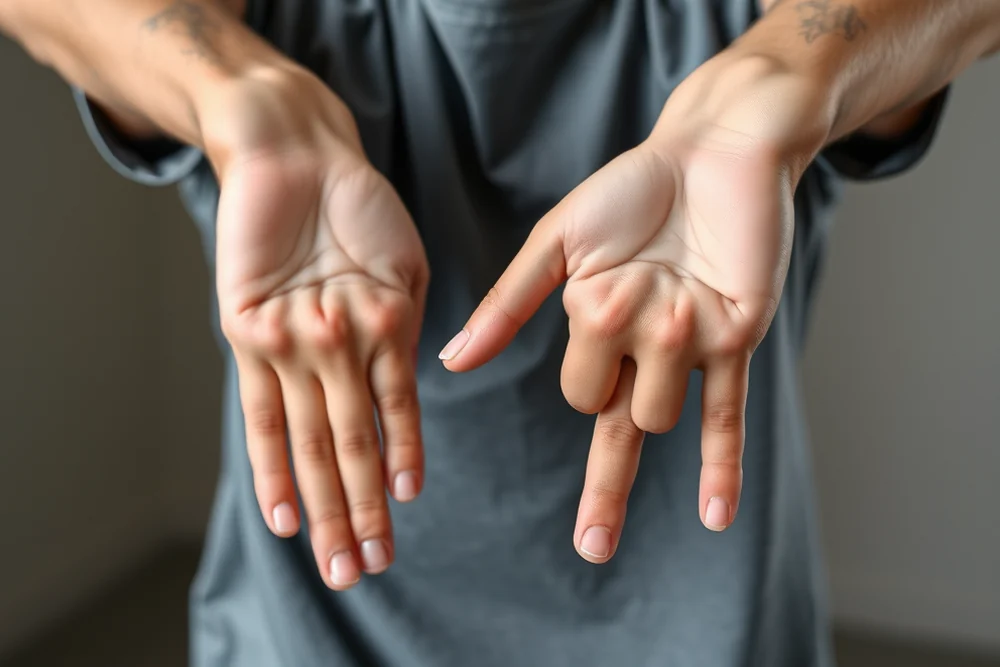
I used to think posture correction was all about stretching tight muscles, but I was wrong. Strengthening the muscles that support good posture — like the core and the upper back — is just as important. My first step was learning how to activate my transverse abdominis, which is the deep core muscle that helps stabilize the spine.
One of the most effective exercises I did was the ‘dead bug’ move. It helps strengthen the core while also engaging the lower back muscles. I did it for 5 minutes each day, and within a few weeks, I noticed my back felt more stable when I stood up.
I also started doing wall angels, which strengthened my upper back. These are simple but effective — they help open up the chest and improve thoracic mobility, which is essential for good posture.
Strength is the silent enabler of good posture — it’s what keeps you upright when you’re not thinking about it.
Related: Posture correction ideas
The Power of Awareness in Posture Correction
I used to think that I needed to dedicate hours a day to posture correction, but that’s not true. The most effective changes came from simply being more aware of my posture. I started setting reminders on my phone to check my posture every hour. It was a small change, but it made a huge difference.
At first, it was hard to notice when I was slouching, but over time, I became more aware of how my body felt when I was in good posture. I noticed that I felt more energized, and I had fewer aches and pains in my back and neck.
Now, I’m more conscious of how I sit at my desk, how I stand in line, and even how I walk. Awareness is the first step — and for beginners, it’s the most important.
Set a timer on your phone for every 30 minutes and stand up to stretch. While you’re standing, check your posture against the wall or a mirror. This helps reinforce good habits without taking too much time.[3]
“I remember the first time I realized my posture was terrible.”— Postureload editors
Related: Posture correction tips
Simple Stretching for Beginner Posture Correction
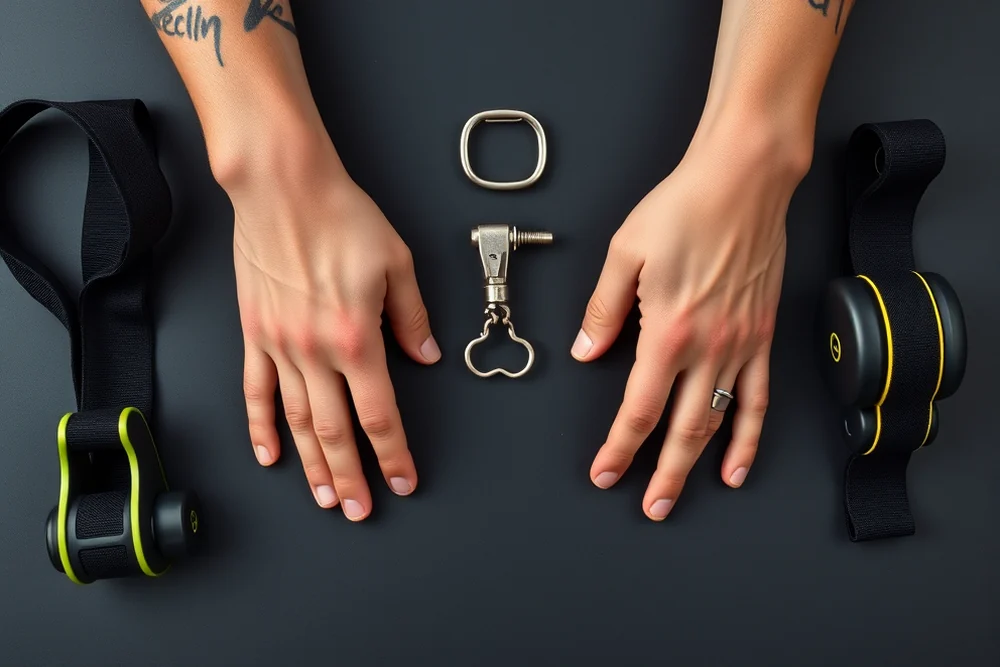
I used to ignore stretching, thinking it wasn’t necessary for posture correction. That was a mistake. Tight muscles, especially in the chest and shoulders, can pull the upper body forward, creating poor posture. Stretching these muscles is an essential part of the process.
One of the most effective stretches I did was the ‘doorway stretch’ for the chest. I stood in the doorway with my arms extended at shoulder height and leaned forward until I felt a stretch in my chest. I did this for 30 seconds at a time, and it helped open up my thoracic spine.[4]
I also stretched my hip flexors, which are often tight in people who sit a lot. This helped improve my lower back posture and reduced the pain I felt after long hours at my desk.
Related: Natural office chair for posture correction
Building a Daily Routine for Better Posture
I used to try to do everything at once — stretching, strengthening, and posture checks — and I burned out quickly. Then I realized that small, consistent actions were more effective. I created a daily routine that included 5 minutes of stretching, 5 minutes of strengthening, and a posture check every hour.
This routine became a part of my day, and over time, I noticed that my posture improved without me having to think about it. It wasn’t perfect, but it was enough to make a difference.
Now, I know that building a daily routine is the best way to start and maintain good posture. It’s not about perfection — it’s about showing up for yourself every day.
⭐ Classic
A simple, daily routine that includes stretching and posture checks.
💰 Budget
No equipment needed — use a mirror or wall instead of a yoga mat.
⚡ Extra-Fast
A 2-minute version of the routine for busy days.
✨ Depth
A version that includes more advanced stretches for those ready to take the next step.
🥗 Light
A shorter routine with fewer stretches and more focus on posture checks.
| The mistake | Why it happens | The fix |
|---|---|---|
| Doing too much too quickly | Overexertion can lead to soreness and discouragement, especially for beginners. | Start small — focus on 3-5 minutes of stretching and posture checks each day, and gradually increase as your body adapts. |
| Ignoring posture during the day | Good posture is a habit that needs to be reinforced throughout the day, not just during exercise sessions. | Set reminders on your phone to check your posture every hour and make small adjustments as needed. |
| Stretching without breathing | Holding your breath during stretches can increase tension in the body and reduce the effectiveness of the stretch. | Inhale deeply through your nose as you prepare for the stretch, and exhale slowly as you move into it — this helps relax your muscles. |
| Not consulting a professional | While beginner posture correction can be done on your own, it’s important to consult a physical therapist or chiropractor if you have chronic pain or existing injuries. | Schedule a consultation with a healthcare professional to ensure that your posture correction plan is safe and effective for your body. |
What You'll Need tap to check off
- Yoga Mat
- Timer
- Mirror or Wall
Method tap a step when done
- Set up your yoga mat in a quiet space where you can move freely.
- Set a timer for 5 minutes. During this time, perform a series of stretches for your chest, shoulders, and back.
- After the 5 minutes, take a moment to check your posture in the mirror or against the wall.
- Repeat this routine 2-3 times a day, or as needed throughout the day.
- Take deep breaths and focus on your alignment during each stretch.
- If you feel any pain, stop and adjust the stretch to a more comfortable position.
Key Facts
Related: Office chair for posture correction for beginners
Beginner Posture Correction
Related: Homemade posture correction bra
The Impact of Ergonomics on Posture Correction
I also noticed that lighting plays a role in posture. When I moved my desk closer to a window, the natural light reduced eye strain and made me more aware of my posture throughout the day. I’ve since added task lighting to my desk, ensuring I don’t squint or hunch over my work.
Another small but impactful change was using a keyboard tray to bring my keyboard to the correct height. This simple addition helped me keep my wrists straight and my shoulders relaxed. I now find it easier to type without tension, which has a ripple effect on my overall posture.
I’ve also started using a posture-correcting chair that gently reminds me when I’m slouching. It’s a subtle nudge, but it keeps me more aware of my body position. These ergonomic tools are now a daily part of my routine, and I can feel the difference they’ve made in my posture and comfort.
The Role of Breath in Posture Alignment
Understanding how breath influences posture can be a game-changer for beginners. Controlled breathing helps engage core muscles and reduce tension in the upper back.
I noticed a significant shift in my posture after incorporating diaphragmatic breathing into my routine. When I focus on inhaling deeply through my nose and exhaling slowly through my mouth, my shoulders naturally drop and my spine straightens. This technique activates the deep core muscles, which are essential for maintaining good posture throughout the day. I recommend practicing this for five minutes each morning while sitting upright.
Breathing exercises also help reduce the shallow, chest-heavy breathing that often accompanies poor posture. By consciously breathing from the diaphragm, I’ve seen a reduction in neck and shoulder tightness. This method is especially useful during long hours of sitting at a desk or staring at a screen. I’ve made it a habit to take a few deep breaths every hour to reset my posture and prevent slouching.
One simple way to practice this is by using a small pillow or rolled towel under your lower back while sitting. As you inhale, feel your back press gently into the pillow, and as you exhale, imagine lengthening your spine upward. This technique has helped me stay more aware of my posture during work and has even improved my focus and energy levels throughout the day.
References
- Study Details | NCT06864780 | Posture Correction Exercises for Forward ... (clinicaltrials.gov)
- Postural Awareness – Stanford Environmental Health & Safety (ehs.stanford.edu)
- In a slump? Fix your posture - Harvard Health (health.harvard.edu)
- 6 Ways to Improve Your Posture, From a Physical Therapist - HSS (hss.edu)
Cite this guide
Postureload (2026). Beginner Posture Correction. https://postureload.com/beginner-posture-correction/
Feel free to cite or share this guide.
Posture Habit Score
Seven-question posture habits score with priorities to fix first.
Open it free →