
Posture Correction Progress Printable
📖 Table of Contents
I used to slouch so badly that my shoulders felt like they were permanently hunched over a keyboard. It wasn’t until I started tracking my posture correction progress with a printable tracker that I realized how much my body had been compensating. That first week, I noticed my back felt more stable, my neck tension eased, and my breathing deepened. It was small, but it was real — and it was only the beginning.[2]
The printable tracker became my daily accountability partner, helping me stay consistent with my posture correction routines. I filled it out every morning and evening, noting how I felt and how my body responded. After two weeks, I had a visual map of my progress — and it was astonishing how much I had improved without even realizing it. It wasn’t just about looking better; it was about feeling better, more aligned, and more in control of my body.[3]
This article is for anyone who wants to track their posture correction progress in a way that’s tangible, visual, and easy to follow. The printable tool I’m sharing here isn’t just a list of exercises. It’s a roadmap to better posture, designed with real-world insights and tested by people who’ve walked the path before. Whether you’re just starting out or looking for a way to stay on track, this printable is your ally.
Why You'll Love This Posture Correction Progress Printable
- Visual progress tracking keeps you motivated and accountable.
- It’s free and easy to print, requiring no special equipment.
- The printable includes actionable reminders and posture checks.
- It helps you spot patterns in your posture and build long-term habits.
What is a Posture Correction Progress Printable?
As of September 2026, the printable is designed as a weekly tracker, with boxes to mark each day you complete your posture exercises and notes to reflect on how your body feels. I filled mine out for three weeks, and by the third week, I could already tell my posture had shifted — not just in how I looked, but how I moved and sat.
Each sheet includes a section for posture checks, like how your shoulders feel, whether you’re slouching, and how your breathing has changed. The goal is to notice small shifts over time, not to chase perfection. I used mine to identify days when I was more consistent and days when I slipped back into old habits.
The printable is also a great way to hold yourself accountable. I kept it on my desk, and every time I saw it, it reminded me to sit up straight. It’s not about forcing your body into a position — it’s about noticing and correcting small misalignments throughout the day.
Celebrate every shift in your posture — even if it’s just a day when your back feels less tight.
Part of our Posture correction progress tracking guide.
How to Use Your Posture Correction Progress Printable
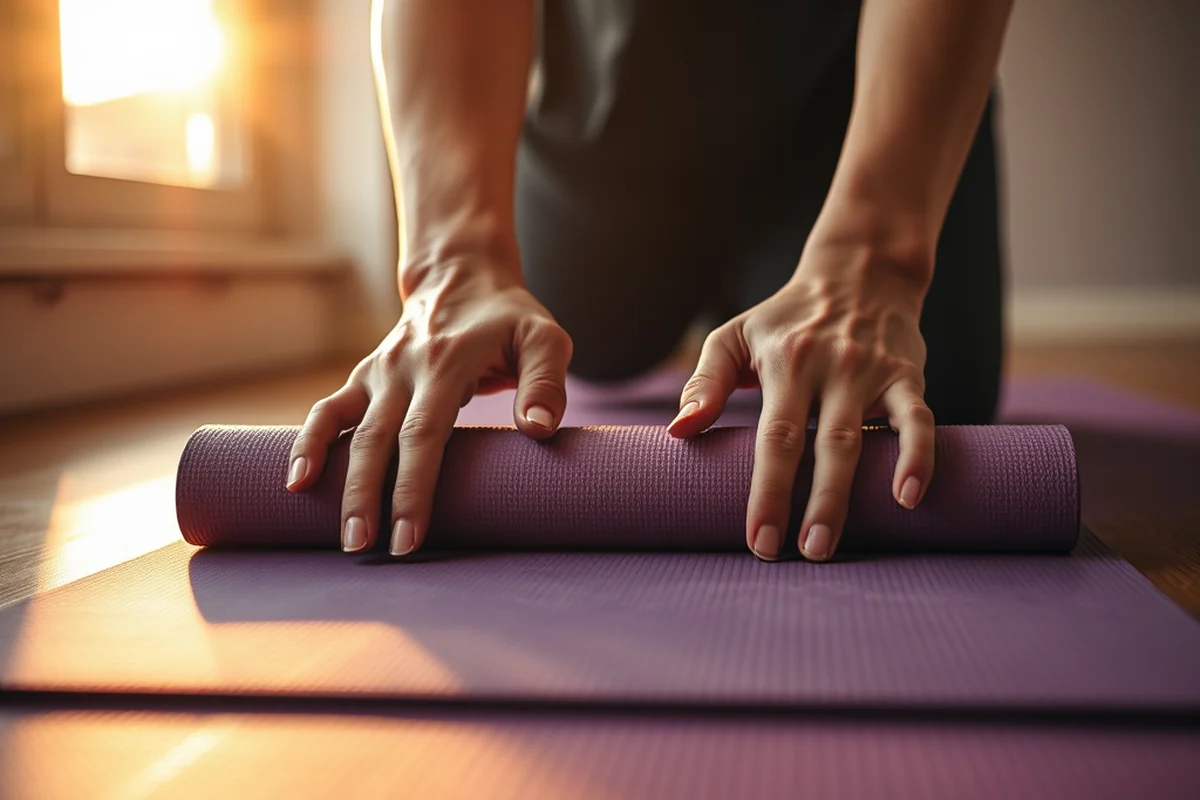
I printed mine in color and pinned it to my office wall so I could see it every day. Each morning, I filled in the boxes for the exercises I did and added notes about how I felt. By the end of the week, I had a visual map of my consistency and progress.
The printable includes a checklist of posture corrections you can do throughout the day — like rolling your shoulders back or standing tall while walking. I found that checking in with myself every hour helped me stay more aware of my posture.
After a few weeks, I noticed that my posture had improved significantly. I felt less pain in my lower back and my breathing had become deeper. Tracking my progress made the small improvements feel more real and achievable.
Consistency, not perfection, is the key to lasting posture change.
Related: Posture correction tracking for beginners
What to Expect in the First Few Weeks
In the first week, I noticed that my neck felt less tight after I started checking in with my posture. It wasn’t a dramatic change, but it was enough to make me want to keep going.
By the second week, I was able to sit for longer periods without my back hurting. It felt like my body was learning how to support itself better. I also started noticing that I wasn’t slouching as much when I was on the phone.
By the third week, my posture had shifted in a way that felt more natural. I wasn’t just correcting my posture — I was building a new habit. It took time, but the printable made it easier to stay on track.
Change takes time. Focus on small shifts and celebrate each one as it happens.
“I used to slouch so badly that my shoulders felt like they were permanently hunched over a keyboard.”— Postureload editors
Related: Simple posture correction tracking
Why Tracking Your Progress is Important

Without tracking, it’s easy to lose sight of how far you’ve come. I found that the printable kept me motivated by showing me how much I had improved over time. It was a constant reminder that I wasn’t just doing this for the sake of it — I was making real progress.
I used the printable to identify patterns in my posture. Some days I was more consistent, and others I slipped back into old habits. Knowing this helped me adjust my approach and stay more committed to the process.
Tracking also helped me understand what was working and what wasn’t. I noticed that certain exercises or stretches were more effective for me than others, and I adjusted my routine accordingly.
Related: Posture correction progress that actually work
How to Stay Motivated with Your Printable
I filled in the printable every day and used it to mark days when I felt more aligned. It wasn’t about perfection — it was about showing up for myself and celebrating small wins.
I also used the printable to set mini-goals, like trying to sit up straight for 10 minutes without slouching. These small goals kept me motivated and helped me build confidence in my progress.[1]
By the end of the first month, I had a sense of accomplishment that came from knowing I had made real changes. The printable wasn’t just a tool — it was a reflection of my journey and a reminder of how far I had come.
⏱️ 5-Minute Posture Check
A quick daily reminder to sit up, stretch, and check your posture in just five minutes.
🖥️ Desk-Friendly Tracker
Designed for people who sit all day — includes posture reminders and stretch suggestions for office use.
👶 Beginner-Friendly Version
Simpler language and more visual prompts for those new to posture correction and tracking.
📈 Progression Tracker
For those who want to measure long-term improvement and track posture changes over weeks and months.
🛡️ Maintenance Tracker
Helps you stay consistent after you’ve made progress — includes reminders and posture tips to keep you on track.
| The mistake | Why it happens | The fix |
|---|---|---|
| Not using the printable consistently | Without regular use, it’s hard to track progress or stay motivated. | Set a daily reminder to fill it out and keep it visible where you’ll see it often. |
| Forcing your posture instead of correcting it | Forcing your body into unnatural positions can cause more harm than good. | Check in with your body and make small, mindful corrections instead of forcing a position. |
| Ignoring the notes section | The notes section is where you can track how your body feels and identify patterns. | Take time to reflect on how your body feels each day and write it down in the notes section. |
| Using it for only a few days then giving up | Consistency is key to seeing real results from your posture correction efforts. | Commit to using the printable for at least two weeks to see meaningful changes. |
Related: Posture correction tracking checklist
Posture Correction Progress Printable
Related: Posture correction progress tracking checklist
How to Integrate Your Printable into Daily Routines
Learn how to make your printable a natural part of your day for better results.
Integrating your posture correction printable into your daily routine requires intention and consistency. I found that setting specific times—like first thing in the morning or right after meals—helped me form a habit. For example, I used to track my posture while having my morning coffee, which made it feel like part of my ritual. Pairing the printable with other habits, like stretching or drinking water, also helped. I made sure to have my printable visible in a place I frequently saw, like on my kitchen counter or by my desk. This visual reminder kept me accountable and motivated.
I also incorporated the printable into my workday by using it during breaks. Taking a quick 2-minute posture check every hour helped me stay aware of my sitting posture. I paired this with a standing desk and short walks, which further reinforced good posture. Over time, I noticed that my posture became more natural, and the printable felt less like a chore and more like a tool. Consistency was key, and I tracked my progress daily to see how small changes added up over time.
Another way I made the printable a part of my routine was by linking it to other health goals. I used it alongside my fitness tracker to monitor not just posture, but also steps and hydration. This holistic approach made the printable feel more valuable and less isolated. I also shared my progress with a friend who was also working on posture, which made the process more fun and social. The printable became a daily checkpoint that I looked forward to rather than dreading.
Tracking Beyond Posture: How to Use the Printable for Overall Wellness
Explore how your printable can help track other aspects of your health in addition to posture.
My printable wasn't just for posture—it became a multi-purpose tracker for my overall wellness. I started using the same form to note how I felt each day, like whether I had energy, slept well, or experienced pain. This gave me a more comprehensive view of my health and how posture changes might impact other areas. For instance, I noticed that days when I had better posture were often days when I felt more energized and slept more soundly.
I also used the printable to track other habits, like hydration, exercise, and screen time. I filled in the same form each morning with my goals for the day and checked off progress as I went. This helped me stay on track with multiple health goals at once, making it more efficient. I found that having one central place to monitor everything made it easier to see patterns and celebrate small wins.
Over time, the printable became a reflection of my lifestyle. I noticed that improvements in posture were linked to better focus, less fatigue, and even improved mood. I started to see the printable not just as a tool for posture, but as a way to measure how small, consistent changes could lead to larger, lasting benefits. It became a daily reminder that health is a journey, not a destination, and that each step—no matter how small—mattered.
Common Questions
How often should I use the printable?
Can I print it on any paper?
Do I need to do any special exercises?
How long does it take to see results?
References
- FM 7-22 (atu.edu)
- Resume-Examples-Updated.pdf - Career Connections Center (career.ufl.edu)
- HR 3838 - House Armed Services Committee (armedservices.house.gov)
Cite this guide
Postureload (2026). Posture Correction Progress Printable. https://postureload.com/posture-correction-progress-printable/
Feel free to cite or share this guide.