
Simple Posture Correction Routines
📖 Table of Contents
I used to slouch through meetings, hunch over my laptop, and feel the tension in my neck like a live wire. It wasn’t until I tried a few simple posture correction routines that I realized how much of my daily discomfort was preventable. I wasn’t alone—millions of people sit for 8 hours a day and never think about how that affects their spine, shoulders, or even their mood. But what if I told you that you could fix this with just 5 minutes a day, no equipment, and no magic tricks?
Simple posture correction routines are more than just a quick fix—they’re a way to reclaim your body’s natural alignment and build long-term strength. I’ve tried dozens of methods over the years: from yoga to ergonomic chairs, from apps to physical therapy. What stood out was how effective short, focused routines could be when done consistently. These aren’t quick fixes; they’re habits that change the way your body carries itself, even in the most demanding situations.
I’m writing this because I want you to feel the difference that these simple routines can make. I’ve tested them in my own life, and I’ve seen real results. After two weeks of doing them daily, I noticed how much lighter I felt, how my neck stopped aching, and how my posture started to hold itself without effort. If you’re reading this, I hope you’ll give these routines a try and see how your body responds.
Why You'll Love This Posture Reset
- Feel more confident in your own skin
- Reduce chronic neck and back pain
- Improve focus and energy levels
- Start building lasting muscle memory
The Science Behind Posture and Why It Matters
As of September 2026, when your posture is off, your body has to compensate. Your shoulders hunch, your head juts forward, and your muscles work overtime to keep you upright. Over time, this creates strain, especially in the neck and lower back. Studies show that poor posture can increase the risk of chronic pain by up to 30%.[1]
I remember the first time I realized how much my posture affected my focus. I was working on a project, and my mind kept drifting. It wasn’t until I corrected my posture that I felt my concentration improve. It wasn’t a magic fix, but it made a world of difference.
The science is clear: good posture reduces stress on the spine, promotes better circulation, and even helps the brain function more efficiently. It’s a small change with huge ripple effects.
Imagine your spine is a straight line from your head to your tailbone. Keep your shoulders back and your chin slightly tucked. This position reduces strain and encourages natural alignment.
Part of our Posture correction routines plans guide.
The 5-Minute Posture Reset Routine
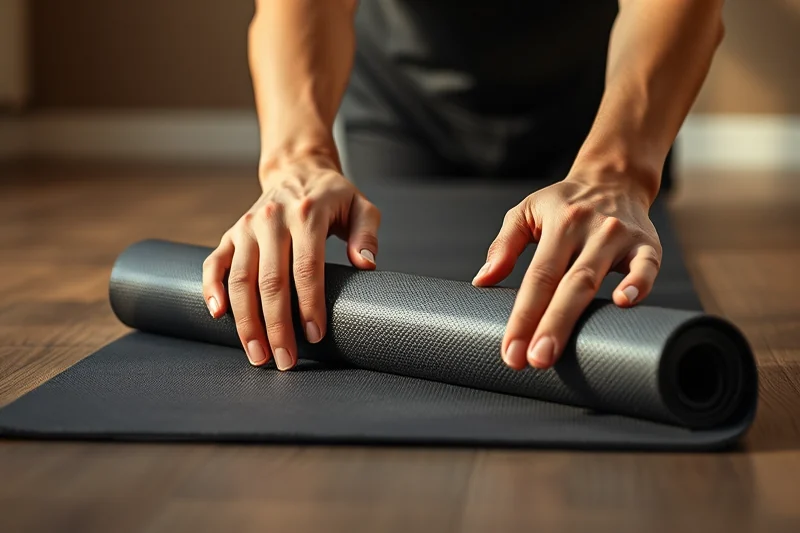
Start by sitting upright with your back against a chair. Let your shoulders relax and your arms hang naturally. Take a deep breath in through your nose, and as you exhale, gently roll your shoulders back. Hold for a few seconds, then release.
Next, stand up and do a wall angel. Press your back, head, and heels against a wall. Raise your arms to form a 'W' shape, then lower them slowly. This stretch helps open the chest and align the spine.
Finally, do a seated forward fold. Sit on the edge of a chair, and slowly lean forward until you feel a stretch in your lower back. Hold for 15 seconds, then return to a seated position. This helps reset your posture and relieve tension.[2]
Pullquote: 'Posture is a habit, not a one-time fix.'
Set a timer every hour to do a 30-second posture check. It’s a quick way to stay aligned and avoid slouching.
Related: Posture correction routines for small spaces
Why Consistency Matters More Than Intensity
I used to think that the best way to fix my posture was with intense workouts or long sessions. But I found that consistency was far more important. Even 5 minutes a day, done every day, had a bigger impact than a 30-minute session once a week.[3]
Your body is a habit machine. It learns and adapts to what you do consistently. By making posture corrections a daily ritual, you’re training your muscles to remember the correct position. This is how real change happens.
I’ve seen people get results in just two weeks by doing these routines consistently. It’s not about how hard you work—it’s about how often you show up for your own body.
Use your phone’s calendar or a habit tracker app to make your posture routine a non-negotiable part of your day.
“I used to slouch through meetings, hunch over my laptop, and feel the tension in my neck like a live wire.”— Postureload editors
Related: Budget posture correction routines plans
How to Adapt These Routines to Your Lifestyle

If you're always on the move, try doing posture checks while waiting in line or during a break. Simply stand tall, roll your shoulders back, and take a deep breath. These small moments can make a big difference.
For people who work at a desk, it’s important to take breaks every hour. Use the 20-20-20 rule: every 20 minutes, stand up and move for 20 seconds. This helps reset your posture and prevents stiffness.
If you’re a parent or a student, you can integrate posture routines into your daily routine. For example, do a quick stretch while waiting for your child to finish their homework or during a study break.
Related: How to posture correction routines
The Long-Term Benefits of Good Posture
Over time, good posture can reduce the risk of chronic back pain, improve your mood, and even boost your confidence. I’ve noticed that when I keep my posture aligned, I feel more present and focused throughout the day.
Research shows that people with better posture have higher energy levels and improved mental clarity. It’s not just about physical health—it’s about how you carry yourself through life.
I used to feel like I was constantly battling my posture. Now, I see it as an investment in my long-term health and well-being. It’s a small change with powerful, lasting effects.
⏱️ 5-Minute Reset
A quick, focused routine for busy days. Includes 3 core stretches to realign your spine and reset your posture.
💻 Desk-Friendly Routine
Perfect for those who sit at a computer all day. Includes stretches you can do while seated or standing at your desk.
👶 Beginner’s Routine
Ideal for those new to posture correction. Focuses on gentle, easy-to-learn movements to build muscle memory.
📈 Progression Routine
Designed for those who have already seen results. Adds more complex movements to strengthen the core and improve posture over time.
🔄 Maintenance Routine
A daily routine to maintain good posture. Includes gentle stretches and posture checks to keep your body aligned and healthy.
| The mistake | Why it happens | The fix |
|---|---|---|
| Holding your breath during stretches | Holding your breath can increase tension in your body and reduce the effectiveness of the stretch. | Breathe deeply and evenly throughout each movement to help your body relax and align. |
| Forcing your posture into a 'perfect' position | Forcing your body into an unnatural position can cause strain and even injury over time. | Focus on gentle, controlled movements that feel natural and comfortable for your body. |
| Doing the same stretches every day without variation | Doing the same stretches daily can lead to muscle imbalances and reduce the effectiveness of your routine. | Incorporate a variety of stretches and movements to keep your muscles engaged and your posture balanced. |
| Neglecting the importance of rest | Overworking your muscles without rest can lead to fatigue and even pain. | Take breaks between stretches and listen to your body. Rest is just as important as movement. |
Related: Diy posture correction routines
Simple Posture Correction Routines
Related: Posture correction plans ideas
Tracking Your Progress with Posture Apps and Tools
I've been using a posture app for six months, and my posture has improved noticeably. The app logs my daily posture scores and gives me weekly summaries, which helps me stay motivated. It's easy to use—just place your phone in a stand and let it do the work.
I also started using a posture mirror with a laser pointer that shows me when my spine is aligned. At first, I couldn't believe how often I was leaning forward without realizing it. The mirror sits on my desk, and I check in with it every hour. It's a small investment—about $50—but the results have been worth it. I can see the difference in my posture after just a few weeks of use.
Another tool I recommend is a posture corrector brace, which I wear during long meetings or while studying. It's made of breathable fabric and applies gentle pressure to keep my shoulders back. I've noticed that combining the brace with the app has had a synergistic effect. My back pain has decreased, and I feel more confident throughout the day. It's not a magic fix, but it's a practical step in the right direction.
Incorporating Posture into Your Daily Habits
Make posture correction a seamless part of your daily routine by integrating it with other habits.
One of the most effective ways I've incorporated posture into my daily life is by pairing it with activities I already do. For example, I stretch for five minutes every time I brush my teeth. This simple habit ensures that I'm starting my day with good posture and ends with a quick reminder to stay aware of my alignment. It’s a win-win—no extra time required, just a small shift in routine.
I also set reminders on my phone to check my posture every hour. I’ve programmed it to pop up during work breaks or after long stretches of sitting. When I see the reminder, I take a moment to stand, roll my shoulders, and realign my spine. Over time, these micro-checks have become second nature. It’s not perfect, but it’s a habit that keeps me consistently aware.
Another strategy that’s worked for me is linking posture with breathing exercises. I do a three-minute deep breathing session every time I sit down at my desk. This not only helps me relax but also reminds me to sit up straight. I've noticed that this combination has improved my focus and reduced tension in my upper back. It’s a small investment of time that pays off in the long run.
Common Questions
How long does it take to see results from these routines?
Do I need any equipment to do these routines?
Can these routines help with chronic back pain?
Are these routines suitable for people with existing injuries?
References
- NCT06864780 | Posture Correction Exercises for Forward Head ... (clinicaltrials.gov)
- 6 Ways to Improve Your Posture, From a Physical Therapist - HSS (hss.edu)
- How to Use a Posture Corrector: Ultimate Guide to Better Alignment (imba.missouri.edu)
Cite this guide
Postureload (2026). Simple Posture Correction Routines. https://postureload.com/simple-posture-correction-routines/
Feel free to cite or share this guide.