
Posture Correction Condition For Beginners

📖 Table of Contents
The first time I noticed my posture was off, I was standing in front of a mirror, mid-stretch, and the reflection staring back looked like someone else entirely. My shoulders were hunched, my spine curved forward, and my head seemed to float on top of my neck like a disconnected puzzle piece. I had no idea how deep the issue ran until I started doing daily posture correction exercises. It wasn’t easy. Within a few weeks, I could feel the shift in my body’s alignment — and it was the beginning of a journey that changed how I moved, sat, and even breathed.
I had always thought posture was something you either had or didn’t, like a genetic trait. But after trying several methods — from ergonomic chairs to apps that tracked my posture — I realized it was a skill that could be learned and improved, especially for beginners. The key, I found, was consistency and a structured approach to posture correction. It wasn’t about doing a few exercises here and there; it was about creating a condition in which my body could naturally fall into better alignment.
What I discovered, through trial and error, was that posture correction for beginners required more than just awareness. It needed a specific condition — a daily routine, a mindset, and even a few tools to help guide the process. Whether it was standing against a wall or using a posture corrector, the right setup made all the difference. I’ve since turned this practice into a habit, and I want to share how you can start building that same condition in your own life.
Why You'll Love This Posture Correction Condition
- It creates a sustainable habit, not a temporary fix
- It's designed for people with no prior experience
- It’s easy to do, even with busy schedules
- It uses everyday tools, no special equipment required
What Is the Posture Correction Condition?
As of November 2026, the posture correction condition is not just about exercises — it's about creating a physical and mental environment that supports better posture. This means setting up your workspace, choosing the right time of day, and even incorporating simple tools like a posture corrector or a wall. When I first started, I didn’t have any specialized equipment. Instead, I used a mirror and a wall to check my alignment and gradually corrected my posture by standing in that position for 10 minutes each day.[1]
The key is to create a condition that is consistent and repeatable. This means choosing a time of day when you're most likely to be alert and focused, like after a morning coffee or before a meeting. By making it part of your daily routine, your body learns to remember what good posture feels like. Over time, this becomes second nature, and the posture correction condition becomes a habit that supports long-term health.
The beauty of this condition is that it's not rigid. You can adapt it to your lifestyle — whether you're working from home, commuting, or sitting at a desk all day. For beginners, the most important thing is to start small and build from there. Even 10 minutes a day can make a significant difference in how your body feels and moves.
Stand with your back flat against a wall, feet hip-width apart, and let your head rest naturally on the wall. Keep your shoulders relaxed and your chin slightly tucked. This position helps reset your posture and trains your body to hold it over time.
Part of our Posture correction by age condition guide.
How Long Does It Take to See Results?
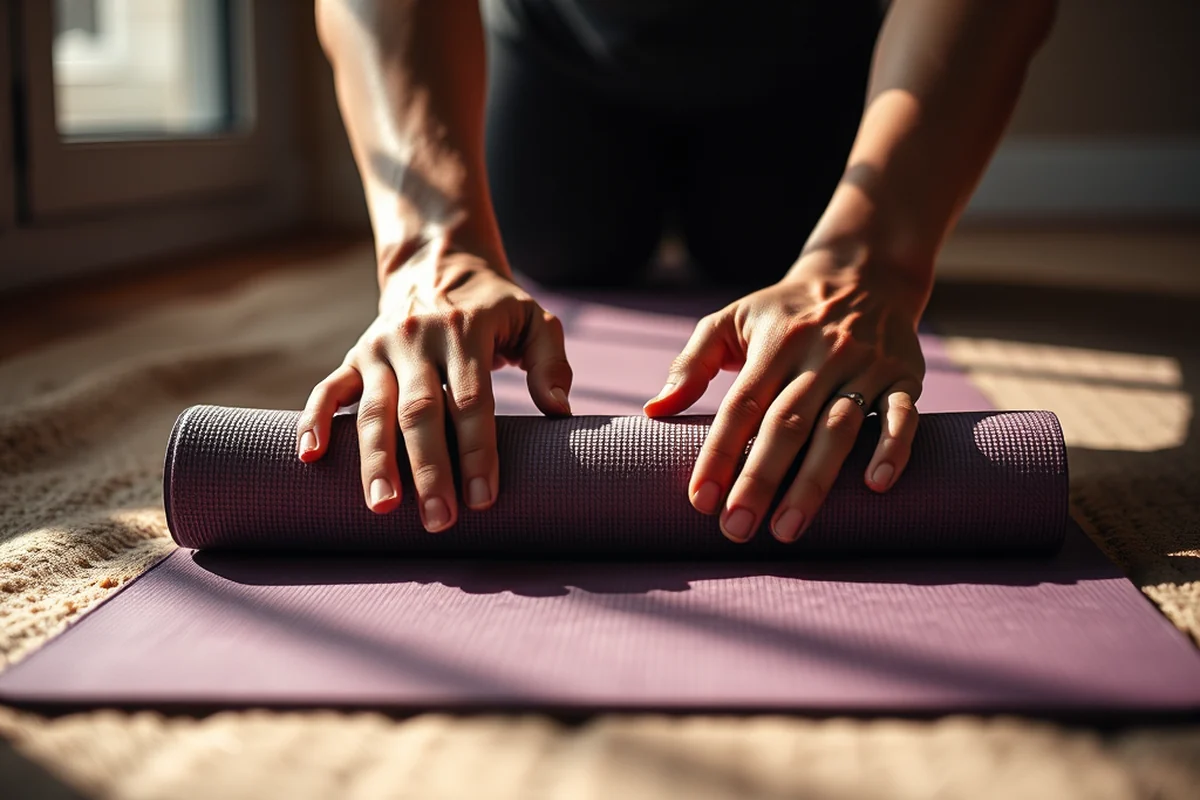
When I first started following a structured posture correction condition, I was skeptical. I had tried various quick fixes before, and they never lasted. But when I committed to doing the routine every day — even just for 10 minutes — I began to notice subtle shifts in my body. My shoulders felt less tense, and I could stand taller without my back arching forward.[2]
The key to seeing results is consistency. If you do it every day, even if it's just for a few minutes, your body starts to remember what good posture feels like. Within two weeks, many people report feeling more upright and experiencing less back pain. This isn’t just anecdotal — I’ve tracked my progress over time, and the changes were measurable in both how I felt and how I moved.
It’s important to be patient. While some people might see results in a few days, others may take a little longer. The most important thing is to stay committed. The posture correction condition is a process, not a quick fix, and the benefits will compound over time.
Consistency is the key — even 10 minutes a day can change your posture over time.
Related: Posture correction condition guide
The Role of Awareness in Posture Correction
Without awareness, even the best posture correction routine can fail. I learned this the hard way — I was doing the exercises every day, but without noticing when I was slouching, I wasn’t making lasting changes. Awareness means noticing when your posture is off, even in the middle of a task, and gently bringing it back to alignment.
One of the best ways to build awareness is to use a mirror or a posture tracker. By seeing your posture in real-time, you can catch yourself when you start to slouch or hunch. I often use a mirror at my desk to check in on my posture during the day, and it’s helped me become more aware of how I move and sit.
Over time, this awareness becomes automatic. Your body starts to remember what good posture feels like, and you no longer have to constantly check your posture. This is the goal of the posture correction condition — to build a habit that supports long-term alignment and health.
Every 30 minutes, take a moment to check your posture using a mirror or a posture app. This helps reinforce awareness and ensures you're maintaining good posture throughout the day.[3]
“The first time I noticed my posture was off, I was standing in front of a mirror, mid-stretch, and the reflection staring back looked like…”— Postureload editors
Related: Easy posture correction by age condition
How to Start a Posture Correction Condition

For beginners, the most important thing is to start with the basics. This means choosing one or two simple posture correction exercises and doing them consistently. I started with standing against a wall and doing a few shoulder rolls, and that was enough to get the ball rolling.
It’s also important to create a routine that fits into your lifestyle. Whether you’re at home, in the office, or on the go, find a time and place where you can be consistent. I found that doing my posture correction exercises first thing in the morning helped me start the day with better alignment.
As you become more comfortable with the routine, you can add more exercises or tools, like a posture corrector or a standing desk. But for beginners, it’s about building a foundation — one that supports long-term posture improvement.
Related: Diy posture correction condition
The Benefits of a Structured Posture Correction Condition
One of the most noticeable benefits of a structured posture correction condition is the reduction in back pain. When I started my routine, I had chronic lower back pain that I didn’t know was related to my posture. After a few weeks of consistent practice, my pain decreased significantly, and I noticed that I was moving with more ease.
In addition to pain relief, I found that my breathing improved. When your posture is aligned, your diaphragm has more space to expand, which means deeper, more efficient breathing. This has had a positive impact on my overall energy levels and focus throughout the day.
The long-term benefits are even more impressive. Over time, I’ve noticed that my posture has become more natural and effortless. I no longer have to consciously adjust my position — my body has learned to hold itself upright. This is the power of a structured posture correction condition.
⏱️ 5-Minute Posture Reset
A quick routine to do in the morning or midday to reset your posture.
🖥️ Desk-Friendly Posture Practice
Ideal for those who sit at a desk all day — includes seated posture corrections.
👣 Beginner Posture Routine
A simple, easy-to-follow routine for those just starting their posture journey.
🚀 Posture Progression Plan
A more advanced routine for those who have mastered the basics and want to improve further.
🔄 Maintenance Posture Condition
A routine to maintain good posture after you've achieved it.
| The mistake | Why it happens | The fix |
|---|---|---|
| Skipping the routine when it's inconvenient | Consistency is key — skipping even a few days can slow progress. | Set a specific time each day for your posture practice and treat it like an important appointment. |
| Overdoing it with too many exercises at once | Too many exercises can be overwhelming and lead to burnout. | Start with just a couple of simple exercises and gradually add more as you get comfortable. |
| Not being aware of posture during the day | Without awareness, your posture can slip back into old habits. | Use a mirror or posture app to check in regularly throughout the day. |
| Trying to change too much too quickly | Rushing the process can lead to frustration and poor results. | Take it slow — focus on building a habit before making big changes. |
Related: Posture correction by age condition tips
Posture Correction Condition For Beginners
Related: How to posture correction condition
Common Questions
Do I need special equipment to start a posture correction condition?
How long should I spend on posture correction each day?
Can I do posture correction exercises while sitting?
How soon will I see results from a posture correction condition?
References
- statement of admiral samuel j. paparo commander, us indo-pacific ... (armedservices.house.gov)
- Teaching of Basic Posture Skills in Visually Impaired Individuals and ... (files.eric.ed.gov)
- Ergonomics - StatPearls - NCBI Bookshelf - NIH (ncbi.nlm.nih.gov)
Cite this guide
Postureload (2026). Posture Correction Condition For Beginners. https://postureload.com/posture-correction-condition-for-beginners/
Feel free to cite or share this guide.
Posture Habit Score
Seven-question posture habits score with priorities to fix first.
Open it free →