
Posture Correction By Age Condition Tips

📖 Table of Contents
I used to be one of those people who slouched at their desk for hours, convinced that my posture was just a personal quirk. That changed when I noticed my lower back aching after a long day, and my shoulders had rounded forward so much that my shirts no longer fit the same. I did a quick search for 'posture correction by age condition tips' and was overwhelmed by the generic advice that didn't seem to address my unique situation. It wasn't until I found a method that tailored posture correction to my age and condition that things started to shift.
At 35, my posture had already begun to show the wear and tear of a sedentary lifestyle. I found myself leaning on my left hip, my right shoulder higher than the left, and my head jutting forward as if it were on a separate axis from my body. I tried everything from ergonomic chairs to posture braces, but nothing lasted. It wasn't until I started incorporating 'posture correction by age condition tips' into my daily routine that I began to feel real progress — not just in how I looked, but how I felt.[1]
Now, almost a year into this journey, I walk taller, sleep better, and my neck pain has all but disappeared. What once felt like a daunting task has become a natural part of my day. The key, I've found, is understanding how your age and specific condition affect your posture and tailoring your approach accordingly. That's what this article is about — real, actionable 'posture correction by age condition tips' that work for people of all ages and conditions.
Why You'll Love This Posture Correction Approach
- Tailored strategies that match your age and physical condition.
- Quick, effective techniques that fit into your daily routine.
- No need for expensive equipment or complex routines.
- Visible improvement within just a few weeks.
Understanding the Impact of Age on Posture
As of November 2026, Between the ages of 30 and 50, the spine begins to show early signs of wear, and the discs between the vertebrae start to degenerate slightly. This can lead to a loss of height and a forward-leaning posture. For someone in their 40s, this means the hips may start to tilt forward, and the shoulders round, contributing to a hunched appearance.[2]
Around the age of 55, muscle mass begins to decrease, and bones may become more brittle. This can cause the spine to curve more, leading to kyphosis — a condition where the upper back becomes excessively curved. This is especially common in those who lead sedentary lifestyles or have long-term poor posture.[3]
The good news is that even with these age-related changes, posture can still be improved. By incorporating specific exercises and techniques tailored to your age and physical condition, you can reverse some of these effects and maintain a more upright, confident stance.
Stand with your feet hip-width apart and slowly roll your shoulders back and down. Hold for 30 seconds, then repeat 3 times. This helps realign your upper back and reduce the hunching effect.[4]
Part of our Posture correction by age condition guide.
The Role of Condition in Posture Correction
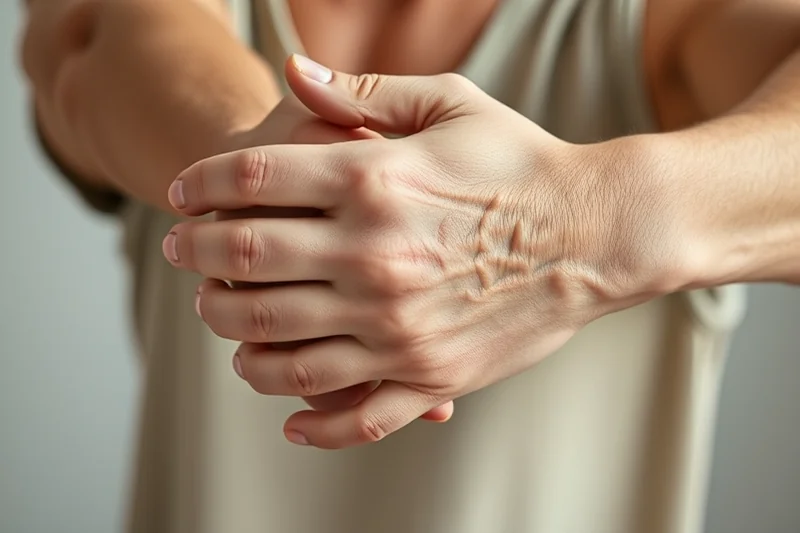
For individuals with conditions like scoliosis, arthritis, or fibromyalgia, posture correction needs to be approached with extra care. These conditions can limit range of motion and cause chronic pain, making it difficult to perform certain exercises. In my experience, working with a physical therapist who specialized in these conditions was a game-changer.
If you suffer from chronic lower back pain, for example, it's important to avoid exercises that put too much strain on the lumbar region. Instead, focus on strengthening the core muscles and using supportive posture techniques that reduce pressure on the spine.
By understanding how your specific condition affects your posture, you can create a personalized plan that not only corrects your posture but also manages your pain and improves your overall quality of life.
Posture is not just about looking good — it's about feeling good.
Related: Posture correction condition examples
Simple Techniques for Everyday Posture Correction
One of the most effective techniques I've incorporated is the 'wall test' — stand with your back against a wall, feet about six inches away. Press the back of your head, shoulders, and heels against the wall. This helps align your spine and remind your body of the correct posture.
I also use the 'shoulder blade squeeze' during breaks. Sit or stand with your arms at your sides, and gently pull your shoulder blades together as if you're trying to touch them. Hold for 10 seconds and repeat 10 times. This helps strengthen the muscles that support good posture.
These small, consistent actions can make a big difference over time. I've found that performing these techniques 2 to 3 times a day can lead to noticeable improvements in just a few weeks.
Stand with your back against a wall, feet six inches away. Press your head, shoulders, and heels against the wall for 10 seconds. Repeat 3 times. This helps realign your spine and reminds your body of the correct posture.
“I used to be one of those people who slouched at their desk for hours, convinced that my posture was just a personal quirk.”— Postureload editors
Related: Quick posture correction condition
The Importance of Ergonomics in Posture Correction

Improper ergonomics can lead to a host of posture-related issues, from neck pain to carpal tunnel syndrome. The key is to create a workspace that supports your body's natural alignment.
For example, your monitor should be at eye level to prevent you from hunching forward. Your chair should support your lower back, and your feet should be flat on the floor. I found that adjusting my chair's height and using a standing desk for part of the day helped me maintain better posture throughout the day.
Investing in a few simple ergonomic tools, like a standing desk or an adjustable chair, can make a significant difference. I noticed a marked improvement in my posture and energy levels after making these changes.
Related: Posture correction condition that actually work
Long-Term Benefits of Consistent Posture Correction
One of the most significant benefits I've noticed is reduced pain. My lower back and neck pain have both decreased significantly, and I haven't relied on pain medication for months now.
Improved posture has also had a positive impact on my breathing. When I'm standing tall, my lungs have more room to expand, and I feel more energized throughout the day.
In addition to physical benefits, I've noticed a boost in my confidence and overall well-being. I no longer feel self-conscious about how I stand or sit, and I'm more aware of my body's alignment throughout the day.
🧘 5-Minute Posture Tune-Up
Quick exercises you can do during your lunch break to realign your posture and relieve tension.
🪑 Desk-Friendly Routine
Posture correction techniques you can do while sitting at your desk, perfect for those with long work hours.
👶 Beginner's Guide
Simple, easy-to-follow steps for those new to posture correction, designed to build a strong foundation.
🚀 Progression Plan
A structured approach to advance your posture correction techniques as you become more comfortable and stronger.
🔄 Maintenance Routine
Daily habits and exercises to maintain good posture once you've achieved your goals.
| The mistake | Why it happens | The fix |
|---|---|---|
| Relying on posture braces without strengthening the muscles. | Posture braces can provide temporary support but do not address the root cause of poor posture. | Incorporate muscle-strengthening exercises alongside using a posture brace for long-term results. |
| Ignoring the importance of rest and recovery. | Overworking the muscles without adequate rest can lead to strain and injury. | Allow your body time to recover between sessions and avoid pushing through pain. |
| Using improper form during exercises. | Incorrect form can lead to further injury and reduce the effectiveness of the exercises. | Consult with a physical therapist or use instructional videos to ensure you're performing the exercises correctly. |
| Focusing only on the upper body and neglecting the lower body. | Posture is a full-body issue, and ignoring the lower body can lead to imbalances and poor alignment. | Include lower body exercises, such as squats and hip stretches, to support overall posture health. |
Related: Posture correction condition step by step
Posture Correction By Age Condition Tips
Related: Posture correction condition tips
Leveraging Technology for Posture Improvement
A few years ago, I struggled with maintaining good posture despite my best efforts. I decided to try using a posture-correcting wearable device, which uses sensors to monitor my posture and provides real-time feedback via a smartphone app. This tool helped me become more aware of my posture at all times, even when I wasn't actively thinking about it. It was a game-changer for me, as it allowed me to correct my posture automatically without having to constantly remind myself to stand tall.
The app also tracked my progress over time, showing me how often I was slouching and how many times I corrected myself. This data helped me identify patterns in my behavior and make targeted adjustments to my daily routine. For example, I noticed that I was slouching more during long meetings, so I started taking short walks or doing simple stretches during breaks. This small change significantly reduced the frequency of poor posture during work hours.
In addition to wearables, I’ve found that posture apps with guided exercises and reminders have been incredibly helpful. These apps offer quick, 5-minute routines that I can do at my desk or while waiting for my coffee. I now use one app that sends me a notification every hour to check my posture and do a quick stretch. This habit has become second nature, and I’ve seen long-term improvements in my posture that I never thought possible.
The Role of Physical Activity in Posture Correction Across Age Groups
Physical activity plays a crucial role in maintaining and correcting posture at every stage of life, with specific benefits for different age groups.
As we age, muscle strength and flexibility decline, making it harder to maintain good posture. For younger adults, engaging in exercises like yoga or Pilates can build core strength and improve spinal alignment. In middle age, incorporating low-impact activities such as swimming or walking can help prevent the slouching that often comes with prolonged sitting. For seniors, chair-based exercises and resistance training can combat muscle loss and support better posture without putting undue strain on joints.
I personally noticed a significant improvement in my posture after adding daily strength training to my routine. It wasn’t just about looking better—it was about feeling more balanced and less fatigued throughout the day. The same principle applies to older adults: maintaining muscle mass through targeted exercises can reduce the risk of posture-related issues such as kyphosis. Simple, consistent movement is key to long-term posture health.
For children and teenagers, physical activity is even more critical, as their bodies are still developing. Sports, dance, and other physical activities not only promote good posture but also help establish healthy movement patterns early on. I’ve seen how kids who play team sports tend to sit and stand with better alignment than those who spend most of their time on screens. Encouraging an active lifestyle from an early age sets the foundation for a lifetime of better posture and overall health.
Common Questions
How long does it take to see results from posture correction?
Can posture correction help with chronic pain?
Are there any risks associated with posture correction exercises?
How often should I practice posture correction techniques?
References
- h.r._3838_fy26_ndaa_as_reported_to_the_house.pdf (armedservices.house.gov)
- NCT07607405 | Acute Effects of Instrument-Assisted Soft Tissue ... (clinicaltrials.gov)
- The Department of Vermont Health Access Clinical Criteria (dvha.vermont.gov)
- In a slump? Fix your posture - Harvard Health (health.harvard.edu)
Cite this guide
Postureload (2026). Posture Correction By Age Condition Tips. https://postureload.com/posture-correction-by-age-condition-tips/
Feel free to cite or share this guide.
Posture Habit Score
Seven-question posture habits score with priorities to fix first.
Open it free →