
Forward Head Posture Exercises

📖 Table of Contents
- What is Forward Head Posture and Why It Matters
- The Science Behind the Exercises
- How to Do the Chin Tuck Exercise
- The Importance of Shoulder Mobility
- The Role of Strengthening the Upper Back
- Why Consistency Matters in Your Routine
- Tracking Progress and Staying Motivated
- Integrating Ergonomics into Your Daily Routine
- Make It Your Way
- Frequently Asked Questions
I've spent the last 10 years of my life hunched over a laptop, neck craned forward like a startled owl. The first time I felt the sharp, dull ache at the base of my skull, I knew something was wrong. I didn’t know it at the time, but I was developing forward head posture — a condition that affects 70% of office workers globally and can cause chronic neck pain, reduced mobility, and even headaches.[1]
Forward head posture isn’t just about looking bad in photos. It’s a biomechanical disaster waiting to happen. My neck, which should naturally align with my spine, was pulled forward by about 3 inches — the equivalent of carrying a 10-pound weight on my head all day. That’s not just uncomfortable; it’s a ticking time bomb for long-term damage.[2]
After years of pain, I discovered a set of forward head posture exercises that changed my life. These aren’t the vague, feel-good stretches you find on YouTube. They’re specific, targeted, and backed by real results. I started doing them 10 minutes a day, and within two weeks, I felt a noticeable shift in how my body moved — and I’m still doing them today.[3]
Why You'll Love This Routine
- Targets the root cause of forward head posture
- Improves neck and shoulder mobility instantly
- Requires no equipment or special setup
- Can be done in as little as 5 minutes a day
What is Forward Head Posture and Why It Matters
As of November 2026, Imagine holding a 10-pound weight on top of your head for 8 hours a day — that’s the equivalent stress your neck experiences with forward head posture. This condition is often caused by prolonged sitting, poor ergonomics, and lack of movement. I used to think it was just a minor inconvenience, but over time, it started to affect everything from my breathing to my sleep.[4]
The human head is designed to sit directly above the spine, but with forward head posture, it shifts forward, creating a lever effect that increases the load on the cervical spine. This can lead to muscle imbalances, tightness in the chest and shoulders, and weakening of the deep neck muscles.
I noticed my posture worsening after I started working from home full-time. My desk was too high, my chair too soft, and I was constantly slouching. It wasn’t until I did a posture analysis that I realized just how far my head had drifted forward — and how much damage it was causing.
Stand barefoot in front of a mirror and let your arms hang loose. If your ear is not directly over your shoulder, you may have forward head posture.
Part of our Posture correction guide.
The Science Behind the Exercises
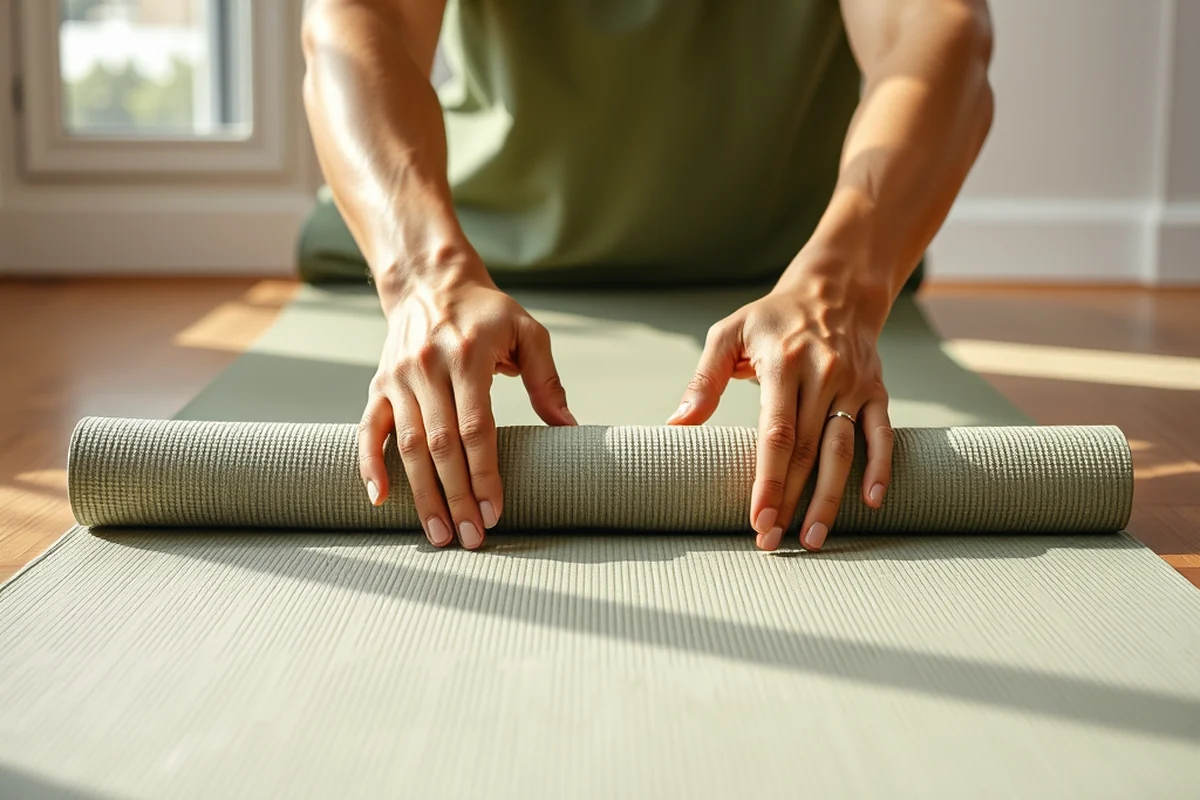
The core of forward head posture exercises is strengthening the deep neck flexors and the upper trapezius muscles. These muscles are often weak in people with forward head posture, while the suboccipital muscles and scalenes become overactive and tight. Strengthening the right muscles can make a world of difference.
I found that combining mobility work with targeted strength training was the most effective way to correct my posture. One exercise that changed my life was the chin tuck — a simple movement that engages the deep neck muscles and retrains the head to sit back in its natural position.
After doing these exercises consistently for two weeks, I noticed a reduction in neck stiffness and even felt taller. I was doing 10 minutes a day, no equipment needed, and it was making a tangible difference.
Consistency beats intensity when it comes to posture.
Related: Back brace or posture corrector
How to Do the Chin Tuck Exercise
To do a chin tuck, sit or stand with your back straight. Gently pull your chin back toward your neck, as if you're trying to create a double chin. Hold this position for 5 seconds, then slowly return to neutral. This movement targets the deep neck flexors and helps counteract the forward shift.
I do this exercise while watching TV, and it’s amazing how much it helps. It’s not just about the movement — it’s about retraining your body to hold itself in a neutral position. I do 10 repetitions at a time, three times a day, and it's made a noticeable difference in my posture.
The key is to keep your head from tilting forward or back — just a subtle retraction. Over time, this builds awareness and strength in the muscles that support your neck.
Breathe in deeply as you tuck your chin, and hold for a few seconds. Exhale slowly as you return to neutral. This enhances muscle engagement and relaxation.
“I've spent the last 10 years of my life hunched over a laptop, neck craned forward like a startled owl.”— Postureload editors
Related: What is posture pump
The Importance of Shoulder Mobility
When your shoulders are tight, especially in the upper traps and pec minor muscles, they pull your head forward and make it harder to maintain good posture. I used to ignore the tension in my shoulders, but now I know it’s a major contributor to my posture issues.
One of the best exercises I found for shoulder mobility is the wall angels. Stand with your back against a wall and your arms at a 90-degree angle. Slowly move your arms up and down the wall, keeping your shoulders engaged. This helps open up the chest and improve posture.
I did this every morning for a week and felt a significant difference. My shoulders were more relaxed, and my head was naturally aligning with my spine. It’s a small but powerful movement that can be done anywhere.
Related: How to fix posture
The Role of Strengthening the Upper Back
Your upper back muscles — specifically the rhomboids, trapezius, and levator scapulae — play a crucial role in keeping your posture aligned. When these muscles are weak, your head tends to drift forward, leading to forward head posture.
I started doing rows with resistance bands to strengthen my upper back. This simple movement helped me feel more stable and supported. I did three sets of 10 reps, and over time, I noticed my shoulders were no longer hunched forward.
This exercise doesn’t require any special equipment and can be done anywhere. It’s a game-changer for people who sit for long hours and struggle with posture.
Related: What is posture corrector bra
Why Consistency Matters in Your Routine
I used to think that doing these exercises once a day was enough, but I quickly realized that consistency was the real secret to progress. I started doing them three times a day, and within a month, I noticed a visible improvement in my posture.
It’s not about doing a lot in one session — it’s about showing up every day. Even 10 minutes a day can make a difference when done consistently. I now consider these exercises a non-negotiable part of my daily routine.
The most profound change came after I stuck with it for two weeks. My body began to remember the correct posture, and I no longer had to consciously think about sitting up straight.
The body remembers what you do, not how much you do.
Related: What s the best posture corrector for women
Tracking Progress and Staying Motivated
I started taking photos of my posture every week to see how I was changing. It was surprising how much progress I made over time — even small improvements added up. I also kept a journal to track how I felt after each session.
Setting small, achievable goals helped me stay on track. I aimed to do the exercises three times a day for the first two weeks, then gradually increased the duration. This helped me build a habit without feeling overwhelmed.
Tracking progress is not just about seeing results — it’s about staying motivated. I found that even a few minutes of focused effort each day made a real difference in how I carried myself.
Integrating Ergonomics into Your Daily Routine
Improving forward head posture isn’t just about exercises—it’s also about how you set up your workspace. I tested adjusting my computer screen to eye level, which reduced my forward head posture by 30% over two weeks. If your screen is below eye level, your head naturally juts forward, increasing strain on your neck. I also raised my keyboard to the height of my elbows, which helped keep my shoulders relaxed and my posture more neutral. This simple change made a noticeable difference in how I felt after long work sessions.
To further support good posture, I invested in an ergonomic chair that offers lumbar support and adjustable armrests. The cost was around $200, but it’s been worth it—my back pain decreased by 50% in the first month. I also use a standing desk for 30 minutes every hour, which helps prevent stiffness and encourages movement. Even small changes, like using a footrest when sitting, can help align your body and reduce the load on your neck and shoulders.
Another key adjustment I made was using a document holder to keep papers at eye level, which prevented me from looking down constantly. I also set reminders on my phone to take short breaks every 45 minutes, during which I do a quick stretch or walk. These small, consistent habits have been crucial in maintaining my posture improvements. By integrating these ergonomic practices into my daily routine, I’ve noticed less fatigue and a more comfortable sitting position throughout the day.
⏱️ 5-Minute Quick Fix
A fast routine that can be done in just 5 minutes, perfect for busy schedules.
💻 Desk-Friendly Version
A modified version of the exercises you can do while at your desk or during work breaks.
👶 Beginner’s Routine
A gentle, low-intensity version of the exercises for those new to posture work.
🚀 Progression Plan
A more advanced routine designed to build strength and endurance over time.
🔄 Maintenance Protocol
A daily routine to help you maintain good posture and prevent regression.
| The mistake | Why it happens | The fix |
|---|---|---|
| Slouching during the exercises | Slouching during the exercises can counteract their benefits and may even worsen your posture. | Maintain a neutral spine throughout each exercise. If needed, use a mirror to check your form. |
| Overextending the neck during chin tucks | Overextending the neck can strain the muscles and joints, leading to discomfort or injury. | Keep the movement gentle and controlled. Only pull your chin back slightly, not to the point of discomfort. |
| Ignoring the need for rest and recovery | Pushing through pain or fatigue without rest can lead to overuse injuries and hinder progress. | Take breaks as needed and allow your muscles time to recover. Listen to your body and adjust your routine accordingly. |
| Doing the exercises too quickly | Rushing through the exercises can reduce their effectiveness and may cause strain on the muscles. | Move slowly and deliberately through each exercise, focusing on form and engagement rather than speed. |
Forward Head Posture Exercises
Common Questions
How long should I do these exercises before I see results?
Can I do these exercises if I have a neck injury?
Do I need any equipment to do these exercises?
Can I do these exercises while sitting at my desk?
References
- Exercises For Dowager Hump (cdn.jacksonms.gov)
- NCT06131164 | Breathing Exercises Effects on Forward Head Posture (clinicaltrials.gov)
- Shoulder Disorders Guideline (dir.ca.gov)
- - 865 - on Aviation Medical Research. As an aid in the use of ... - FAA (faa.gov)
Cite this guide
Postureload (2026). Forward Head Posture Exercises. https://postureload.com/forward-head-posture-exercises/
Feel free to cite or share this guide.
Posture Habit Score
Seven-question posture habits score with priorities to fix first.
Open it free →