
Back Brace For Posture Corrector

📖 Table of Contents
- What Is a Back Brace for Posture Corrector?
- How Does a Back Brace for Posture Corrector Work?
- What Are the Benefits of Using a Back Brace for Posture Corrector?
- Who Should Use a Back Brace for Posture Corrector?
- How to Choose the Right Back Brace for Posture Corrector
- Can a Back Brace for Posture Corrector Replace Exercise?
- How Long Should You Use a Back Brace for Posture Corrector?
- Make It Your Way
- Frequently Asked Questions
The first time I noticed my posture was off, I was sitting at my desk, hunched over a spreadsheet, and my neck ached like I’d spent the day on a rollercoaster. I didn’t know it then, but this was a sign that my posture was deteriorating — a slow, silent process that had been building for years. I had tried everything: ergonomic chairs, posture apps, even yoga. But nothing stuck, and the back pain lingered. That’s when I started looking into a 'back brace for posture corrector' — not as a last resort, but as a way to finally take control.
I was skeptical at first. Braces have a reputation for being awkward, uncomfortable, and even counterproductive. But I needed a solution that worked while I was working. I wanted something that would gently train my muscles instead of just masking the pain. The right 'back brace for posture corrector' wasn’t just a bandage for my posture — it was a tool to help me relearn how to stand tall, sit straight, and move with confidence.
What I didn’t expect was how quickly it would change my habits — and how much better I’d feel afterward. The first week, it was a struggle. But by the third, I was noticing subtle shifts in how I carried myself. The brace wasn’t a crutch, but a guide, and it made all the difference. It wasn’t just about posture anymore. It was about reclaiming my health, one small adjustment at a time.
Why You'll Love This Back Brace for Posture Corrector
- Comfortable enough to wear all day, even during long work sessions.
- Helps reinforce proper posture without constant reminders.
- Encourages muscle memory for better spinal alignment over time.
- Reduces tension and discomfort in your back and neck.
What Is a Back Brace for Posture Corrector?
As of November 2026, the best back braces for posture correctors are made with breathable, flexible materials that allow for movement while still providing subtle resistance to slouching. Some models use adjustable straps or elastic tension to maintain alignment. Unlike traditional braces that immobilize the back, these are meant to be worn for extended periods and are not rigid or restrictive.
I found that the right brace could be worn under a shirt without anyone even noticing. It felt like a second layer of clothing, not a medical device. The key was choosing one that was lightweight and unobtrusive — one that I could forget was on and still focus on my work.
The science behind these braces is simple: by keeping the spine in a neutral position, they help prevent the rounding of the shoulders and forward head posture that leads to chronic back and neck pain. Over time, this can help retrain your body to sit and stand correctly without constant effort.
Look for back braces made with moisture-wicking fabric and adjustable straps to ensure a comfortable fit. Avoid overly tight models that restrict movement.
Part of our Posture correction guide.
How Does a Back Brace for Posture Corrector Work?
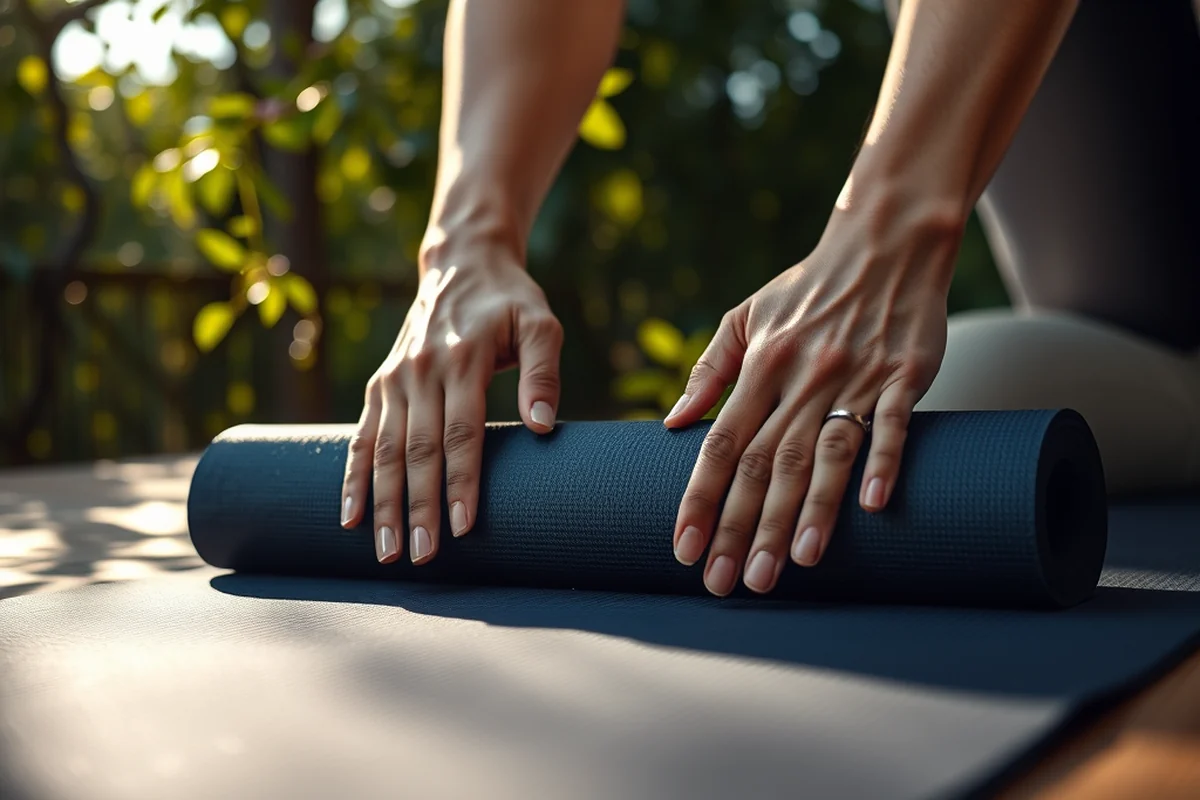
The brace acts like a reminder for your body — it doesn’t force you into a perfect posture, but it nudges you toward it. This is especially helpful for people who have developed poor posture habits over time, such as those who sit at a desk for long hours.
I noticed that after just a few days of wearing the brace, I was more conscious of how I sat. It wasn’t an immediate fix, but it helped me develop muscle memory. My back didn’t feel as tight, and I found myself sitting up straight even when I wasn’t wearing the brace.
The effect is cumulative. With regular use, the brace can help strengthen the muscles that support good posture, making it easier to maintain correct alignment over time.
It’s not about correcting posture overnight — it’s about building a new habit.
Related: How to fix anterior pelvic tilt posture
What Are the Benefits of Using a Back Brace for Posture Corrector?
Beyond just posture, the benefits of using a back brace for posture corrector are profound. I used to experience constant tension in my neck and upper back, but within a few weeks, the discomfort had lessened significantly. The brace helped realign my spine and reduce the strain on my muscles.
One of the most surprising benefits was the increase in energy I felt. I used to get tired quickly after sitting for long periods, but with the brace, I noticed I could work longer without the same aching fatigue. It felt like my body was more engaged in the process of sitting correctly.
Also, I noticed that my breathing had improved. When I was slouched over my desk, my ribs were compressed, and I wasn’t taking deep, full breaths. With the brace, I could finally breathe freely again — a small but significant change that boosted my overall sense of well-being.
If you’re new to using a back brace for posture corrector, begin with 30 minutes a day and slowly increase the time as your body adjusts. This helps prevent discomfort and allows your muscles to adapt to the new alignment.[1]
“The first time I noticed my posture was off, I was sitting at my desk, hunched over a spreadsheet, and my neck ached like I’d…”— Postureload editors
Related: How to improve posture
Who Should Use a Back Brace for Posture Corrector?
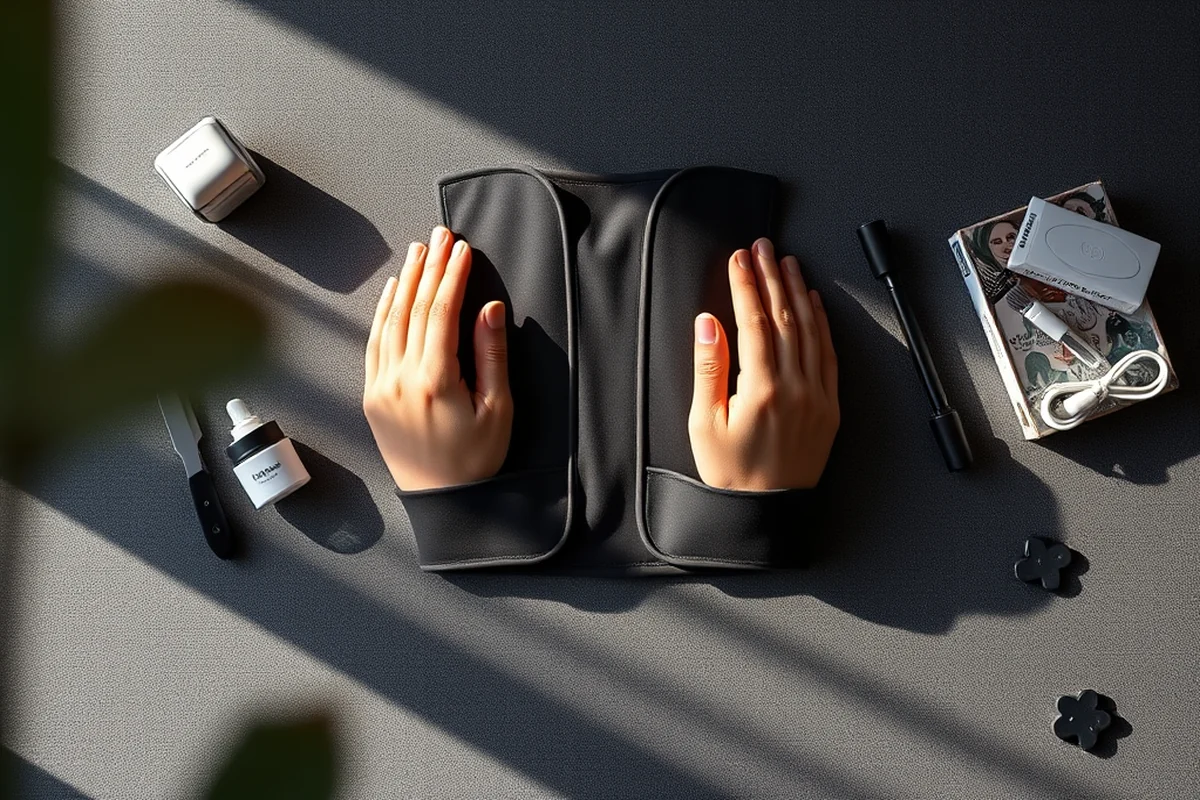
If you sit at a desk for most of the day, you’re likely a good candidate for a back brace for posture corrector. I know that for me, the brace was a game-changer. It helped me regain control over my posture and reduce the discomfort I had been living with for years.
People with chronic back pain or those who have developed a forward head posture can benefit greatly from using a back brace for posture corrector. It helps support the spine and reduce the strain on the muscles that are constantly working to keep the body upright.
Even if you’re not experiencing pain, a back brace for posture corrector can be a proactive tool to maintain good posture and prevent future issues. It’s an investment in your long-term health and comfort.
Related: What is posture brace
How to Choose the Right Back Brace for Posture Corrector
Not all back braces for posture corrector are created equal. I spent a few weeks testing different models before finding one that worked for me. It was important to find a brace that was comfortable enough to wear all day and didn’t restrict movement.
I found that models with adjustable straps and a flexible, curved design were the most effective. These allowed the brace to conform to the natural shape of the spine and provide the right amount of support. Some models even had a built-in reminder system, like a vibration or alert, to help you stay aware of your posture.
It’s also important to consider the material. Look for breathable fabrics that wick away sweat and don’t cause skin irritation. I found that a brace made from a lightweight, stretchy fabric was the most comfortable option for daily use.
Related: Posture support bras
Can a Back Brace for Posture Corrector Replace Exercise?
A back brace for posture corrector can help improve your posture and reduce discomfort, but it doesn’t replace the need for physical activity. I found that combining the use of the brace with regular exercise, like yoga or strength training, helped me achieve the best results.
While the brace can help support your spine and reinforce good posture, it’s not a substitute for the strength and flexibility that exercise provides. In fact, many people who use a back brace for posture corrector also incorporate targeted exercises to strengthen their core and back muscles.
Exercise is essential for long-term posture improvement and overall health. A back brace for posture corrector is a tool that can help you maintain good posture while you’re working or sitting. It’s not a replacement for the physical activity that supports your body’s strength and mobility.
Posture is a habit — it needs both support and strength.
Related: How to fix the posture
How Long Should You Use a Back Brace for Posture Corrector?
I found that using the brace for at least 30 minutes a day was enough to start making a difference. However, the ideal duration can vary based on your individual needs and how your body reacts to the brace. If you’re experiencing discomfort or your posture doesn’t seem to be improving, it might be worth adjusting the time or consulting with a healthcare professional.[2]
Some people use the brace throughout the day, especially if they sit for long hours or have a sedentary lifestyle. Others prefer to wear it during specific tasks, like sitting at a desk or studying. It’s important to listen to your body and find a routine that works for you.
The key is consistency. Even if you only use the brace for a few minutes a day, it can still help reinforce good posture habits. The more you use it, the more likely you are to see improvements over time.
⚡ 5-Minute Boost
A quick way to realign your posture during a break or before a meeting.
🖥️ Desk-Friendly
Ideal for office workers who need posture support throughout the day.
🧘 Beginner’s Start
A gentler version for those new to using a back brace for posture corrector.
🚀 Progression Plan
Designed for users looking to improve their posture over time with increasing usage.
🔄 Maintenance Mode
For users who need occasional support to maintain good posture habits.
| The mistake | Why it happens | The fix |
|---|---|---|
| Wearing the brace too tightly | Wearing the brace too tightly can cause discomfort, restrict movement, and potentially lead to skin irritation or pressure points. | Adjust the straps to a comfortable fit that allows for natural movement without slipping or pinching. |
| Using the brace only when in pain | Using the brace only when in pain can lead to a cycle of discomfort and poor posture, as the brace is most effective when used consistently. | Make it a daily habit to use the brace, even when you’re not experiencing pain, to reinforce good posture habits. |
| Choosing the wrong size | A brace that is too large or too small can be ineffective or even harmful, as it may not provide the right level of support. | Measure your torso and compare it to the manufacturer’s sizing chart to ensure you choose the correct size. |
| Neglecting to combine it with exercise | Relying solely on the brace without exercising can lead to weak posture-supporting muscles, making it harder to maintain good posture in the long run. | Pair the use of the brace with regular stretching, core-strengthening exercises, or yoga to build overall strength and flexibility. |
Back Brace For Posture Corrector
Common Questions
Can I wear a back brace for posture corrector while sleeping?
How long does it take to see results from using a back brace for posture corrector?
Can a back brace for posture corrector be used by children?
Is it safe to use a back brace for posture corrector every day?
References
- Vision-Based Ergonomic Risk Assessment of Back-Support ... (par.nsf.gov)
- East Lake Fire & Rescue Back Injury Reduction Program (apps.usfa.fema.gov)
Cite this guide
Postureload (2026). Back Brace For Posture Corrector. https://postureload.com/back-brace-for-posture-corrector/
Feel free to cite or share this guide.
Posture Habit Score
Seven-question posture habits score with priorities to fix first.
Open it free →