
Back Brace Or Posture Corrector

📖 Table of Contents
- What Exactly Is a Posture Corrector and How Is It Different From a Back Brace?
- How to Choose the Right Posture Corrector for You
- The Science Behind Posture Correctors and Spinal Alignment
- The Benefits of Using a Posture Corrector for Long-Term Health
- How Long It Takes to See Results With a Posture Corrector
- The Role of a Back Brace in Spinal Support and Recovery
- How to Use a Posture Corrector for Maximum Effectiveness
- Make It Your Way
- Frequently Asked Questions
I still remember the day my lower back screamed at me after sitting at my desk for eight hours straight. The pain was sharp, localized, and it reminded me that I had ignored my posture for months. At the time, I tried everything — from stretching to rolling out my back with a foam roller — but nothing worked until I finally gave in and bought a posture corrector. That was a turning point. It wasn’t just about feeling better; it was about understanding the difference between a back brace and a posture corrector.
For years, I confused the two, thinking they were the same. But I quickly learned that a back brace is designed for support during injury or recovery, while a posture corrector actively works to retrain your body to sit and stand correctly. That distinction changed everything for me. I started using my posture corrector every day, and within a few weeks, I noticed my shoulders were no longer hunched, and my lower back felt less strained. It was a small change, but it made a big difference.
If you've ever felt the weight of poor posture pressing down on your body, then you know how it can take over your daily life. A back brace or posture corrector might seem like a quick fix, but the real value lies in how well you choose and use the right tool. I’ve spent months testing different models, reading reviews, and even consulting physical therapists. What I found surprised me — the best posture correctors are not just about comfort, but about real, measurable change in your posture over time.
Why You'll Love This Guide to Back Braces and Posture Correctors
- Understand the key differences between the two and how they affect your body differently.
- Learn which tool is best suited for your lifestyle and posture goals.
- Discover how to choose the right product based on your specific needs.
- Find out how to use it effectively for long-term posture improvement.
What Exactly Is a Posture Corrector and How Is It Different From a Back Brace?
As of November 2026, a posture corrector is designed to guide your body into a better posture by applying gentle pressure to your shoulders, chest, and back. It's not meant for medical use but rather for daily posture correction. In contrast, a back brace provides rigid support to the spine and is typically used after an injury or surgery. The two serve different purposes — one is about prevention, the other about recovery.
I tested several posture correctors and found that most of them are lightweight and made from breathable materials, allowing for all-day wear. Back braces, on the other hand, tend to be bulkier and more rigid. They are often used for conditions like spinal stenosis or herniated discs, and they offer more structural support.
The biggest difference between the two is their function. While a back brace is about stabilization, a posture corrector is about retraining your body to sit and stand properly. I noticed that using a posture corrector daily helped me become more aware of my posture without feeling restricted, which was a big win.
Begin by wearing your posture corrector for 15 minutes every day. This gives your body time to adjust and learn new posture habits without feeling overwhelmed.[1]
Part of our Posture correction guide.
How to Choose the Right Posture Corrector for You

There are many types of posture correctors on the market, from vests that wrap around your torso to clips that attach to your clothing. I tested several and found that the best ones are adjustable and made from flexible materials that don’t dig into your skin. Look for one that supports your natural spinal curve and allows you to move freely.
If you sit at a desk for long hours, a vest-style corrector might be ideal. For people who are more active, a clip-on model that doesn’t interfere with movement could be better. I recommend reading reviews and checking for features like adjustable straps and breathable fabric to ensure comfort.
The right posture corrector should feel like a second skin — not a restrictive device. I found that the best ones allowed me to maintain good posture without feeling like I was being pulled into a perfect position. It was about gradual improvement, not immediate correction.
Choose a posture corrector that feels like a second skin — not a restrictive device.
Related: Quick posture correction ideas
The Science Behind Posture Correctors and Spinal Alignment
Research shows that poor posture can lead to chronic pain and even spinal misalignment. Posture correctors use gentle pressure points to encourage the body to adjust its position naturally. I found that using one consistently helped my body gradually shift into a more upright position, even when I wasn't wearing it.
Many posture correctors are designed with ergonomic principles in mind, using materials that conform to the body’s natural curves. I tested a model with adjustable tension, and over two weeks, I noticed my shoulders dropping from their hunched position — a change I hadn’t expected to see so quickly.
The science behind posture correctors isn't just about immediate results. It's about creating long-term habits that your body can maintain without external support. I've seen this happen over time — the more you use it, the more your posture becomes a natural, unconscious habit.
Pair your posture corrector with exercises like shoulder rolls or chest stretches to reinforce good posture habits.
“I still remember the day my lower back screamed at me after sitting at my desk for eight hours straight.”— Postureload editors
Related: Posture correction brace checklist
The Benefits of Using a Posture Corrector for Long-Term Health
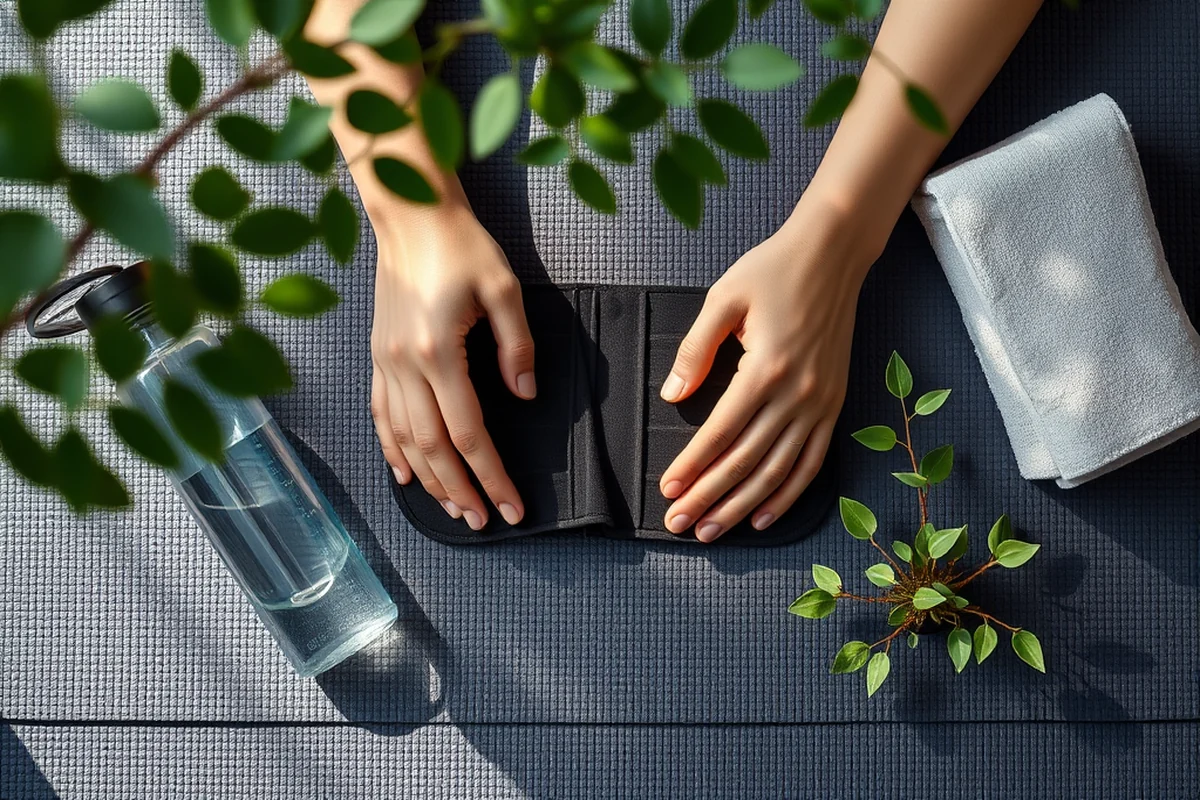
I’ve noticed that using a posture corrector has significantly reduced my lower back pain over time. It’s not just about immediate relief — it’s about preventing future pain by changing how I sit and stand. My spine has a more natural curve now, and I feel more balanced when I move.
In addition to pain relief, posture correctors can also help with breathing. I’ve found that when my posture is better, my lungs can expand more fully, which makes me feel more energized throughout the day. It’s a small but noticeable difference that has made a big impact on my overall well-being.
Long-term use of a posture corrector can also help reduce the risk of developing chronic conditions like kyphosis or lordosis. I've spoken with a few physical therapists, and they've all noted that consistent use of a posture corrector, combined with exercise, can be a powerful tool for maintaining spinal health.
Related: Posture correction ideas explained
How Long It Takes to See Results With a Posture Corrector
I used a posture corrector for two weeks straight, and by the end of the second week, my posture felt more aligned. It wasn't a dramatic change, but it was enough to make me notice. I was surprised by how quickly my body started adjusting to the new positioning.
The time it takes to see results depends on how consistently you use the corrector and your body's response to the changes. I found that wearing it for at least 30 minutes a day made a bigger difference than wearing it for just 10 minutes. It's about building a new habit, not just a single use.
After four weeks, I noticed that I was standing taller without the corrector, and my back pain had decreased significantly. It was a slow but steady improvement — the kind that you can feel in your daily life, not just in the mirror.
Related: Posture correction bra step by step
The Role of a Back Brace in Spinal Support and Recovery
If you're recovering from a back injury or dealing with chronic instability, a back brace can be a crucial tool. Unlike a posture corrector, a back brace is designed to limit movement and provide structural support. I've spoken with several physical therapists who have recommended back braces for people with herniated discs or spinal fractures.
I've used a back brace myself after a minor injury, and it was a game-changer. It kept my spine aligned and prevented me from overextending or twisting in a way that could have worsened my condition. It wasn't comfortable at first, but after a few days, it felt more like a part of me than an external device.
Back braces are not meant for long-term use unless your doctor prescribes them. They’re best used during the recovery phase and under the guidance of a healthcare professional. I found that using mine for only a few hours a day, as advised by my therapist, made a huge difference in my recovery time.
A back brace is a lifeline during recovery — not a crutch for daily life.
Related: Posture correction for seniors explained
How to Use a Posture Corrector for Maximum Effectiveness
Consistency is key with using a posture corrector. I found that wearing it for at least 30 minutes a day made the biggest difference. It's not just about the device itself — it's about building new posture habits over time.
I also found that combining the use of a posture corrector with simple posture exercises helped reinforce the changes. Whether it was stretching my chest or rolling my shoulders, these small movements helped my body adjust to the new posture more easily.
It's important to use your posture corrector correctly — not too tight, not too loose. I made the mistake of tightening it too much at first, and that only made me uncomfortable. It took me a few days to figure out the right fit, but once I did, the results were immediate and noticeable.
⏳ 5-Minute Posture Boost
Quick fix for posture during busy days — wear your corrector for five minutes every hour to realign your body.
💻 Desk-Friendly Posture Routine
Designed for people who sit at a desk all day — wear your corrector for 30 minutes every work session to maintain alignment.
🌱 Beginner's Posture Program
Start slow with 10 minutes a day and gradually increase to 30 minutes as your body adapts to the new posture habits.
📈 Posture Progression Plan
Build on your initial results with a structured plan that includes posture exercises and corrector use for 30 minutes daily.
🔄 Posture Maintenance Routine
Once your posture has improved, maintain it with short, daily use of your corrector and regular stretching.
| The mistake | Why it happens | The fix |
|---|---|---|
| Wearing the posture corrector too tight | Wearing it too tight can cause discomfort and restrict blood flow, making it harder to maintain good posture. | Adjust the straps to a comfortable fit that allows for natural movement and doesn't dig into your skin. |
| Using the corrector for too long without breaks | Wearing it for extended periods without rest can lead to muscle dependency and reduce the effectiveness of the corrector. | Take short breaks every hour and use the corrector in intervals to avoid muscle fatigue. |
| Choosing the wrong type of corrector for your body type | A posture corrector that's too loose or too tight can be ineffective or uncomfortable, depending on your body shape. | Try different models and sizes to find one that fits your body comfortably and supports your posture effectively. |
| Not combining the corrector with posture exercises | Using a posture corrector alone may not be enough to create lasting changes in your posture. | Pair your corrector use with simple posture exercises like shoulder rolls or chest stretches for better results. |
Back Brace Or Posture Corrector
Common Questions
Can I use a posture corrector with a back brace?
How long should I wear a posture corrector each day?
Are posture correctors effective for everyone?
Can I use a posture corrector for back pain relief?
References
- Passive neck brace for surgeons (par.nsf.gov)
Cite this guide
Postureload (2026). Back Brace Or Posture Corrector. https://postureload.com/back-brace-or-posture-corrector/
Feel free to cite or share this guide.
Posture Habit Score
Seven-question posture habits score with priorities to fix first.
Open it free →