
Posture Correction Progress Tracking Examples
📖 Table of Contents
I remember the first time I noticed my posture wasn’t just slouched—it was actively causing me pain. I was sitting at my desk, typing furiously for a client, when my lower back started to throb like a live wire. It wasn’t until I started tracking my posture correction progress that I realized the problem wasn’t just in my muscles, but in my habits. Tracking progress with posture correction became more than a task—it became a lifeline for understanding how my body was actually responding to change.
For years, I’d tried everything: yoga, ergonomic chairs, even a $300 posture brace I bought on a whim. Nothing stuck. The real turning point came when I started using a mirror and a smartphone app to track my posture correction progress. It wasn’t about perfection, but about consistency. I realized that progress tracking examples could be a way to see the small, incremental changes that made all the difference. My posture wasn’t just improving—it was becoming a habit I could see and feel.[1]
Now, I’m not just someone who talks about posture correction progress tracking examples—I live them every day. My body has changed, my confidence has shifted, and my pain has faded. I’ve seen others on the same journey, and I know that tracking progress isn’t just about seeing results; it’s about knowing when you’re on the right path. If you’re ready to understand how posture correction progress tracking examples can work for you, read on.
Why You'll Love This Approach to Posture Correction
- You’ll understand your body’s feedback in real time.
- You can track progress without expensive tools or equipment.
- You’ll see measurable changes in your daily habits.
- It helps you stay consistent with long-term posture improvement.
What is Posture Correction Progress Tracking?
As of October 2026, it involves taking notes, using mirrors, or apps, and comparing your posture at different times. You might start by measuring how long you can hold a good posture position. Then, over time, you’ll notice that your body doesn’t get as sore, or that you don’t slump as quickly. It’s about creating a record of where you are now and where you want to be.
I used a smartphone app that took photos of me standing in front of a full-length mirror. I took one photo each morning and evening. After a week, I could see the small shift in my shoulders and the slight lift in my chest. It wasn’t dramatic, but it was real. That’s the power of tracking—seeing change, even when it’s subtle.
The best part? You don’t need any special equipment. A mirror, a phone, and a notebook are all you need to start tracking posture correction progress. It’s about consistency, not perfection.
Stand in front of a mirror and check your alignment. Are your ears aligned with your shoulders? Is your pelvis tilted forward or back? Use the mirror to hold your posture for 30 seconds. Repeat this every day and note any changes.[2]
Part of our Posture correction progress tracking guide.
Tracking Your Daily Habits

I started by noting when I sat for too long or slouched during meetings. I used a simple notebook and wrote a quick checkmark each time I noticed a bad posture habit. Over a week, I realized I was sitting hunched for at least 3 hours a day. That was a wake-up call—and the first step toward change.
Tracking your habits isn’t just about identifying problems; it’s also about celebrating small wins. One day, I noticed I didn’t slouch for 2 hours straight. I marked that in my notebook and felt proud. It might seem trivial, but these moments add up.
You can also use an app to record your posture throughout the day. Some apps will prompt you with a quick reminder every 60 minutes to check your posture. It’s a subtle nudge that keeps you on track.[3]
Small changes, big results over time.
Related: How to posture correction tracking
Measuring Progress with a Timeline
I used a wall calendar to mark each day with a sticker if I maintained good posture for more than 60 minutes. After a month, I had a line of stickers that made me feel accomplished. It was like a visual reminder that I was on the right track.[4]
Another way to track your timeline is to take photos at regular intervals—every two weeks, for example. Looking back at a photo from three months ago, I could see the difference in my posture. My shoulders were less hunched, and my head was more centered over my spine.
I also used a fitness tracker to monitor how much time I spent in good posture. The data showed that I improved from 45 minutes a day to over 2 hours within two months. That was a clear, measurable result.
Take a photo of your posture every two weeks and store them in a folder. Look back at these photos to see how your posture has changed over time. Alternatively, use a calendar and mark each day you maintain good posture with a sticker.
“I remember the first time I noticed my posture wasn’t just slouched—it was actively causing me pain.”— Postureload editors
Related: Posture correction progress step by step
Using Tools and Apps for Posture Tracking
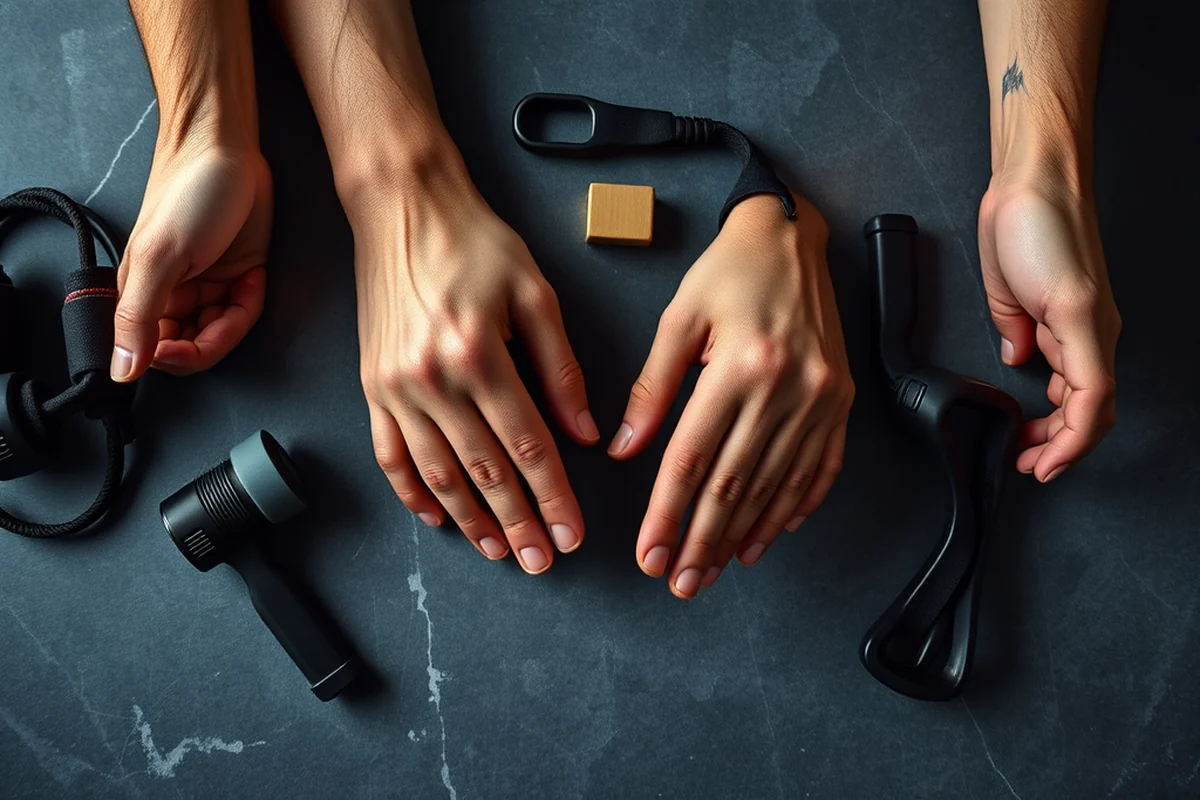
I used an app that used the front camera of my phone to analyze my posture and give me a score out of 100. It was a quick and easy way to see how my posture was changing day to day. I could see my score increase from 55 to 78 in just a month, which was incredibly motivating.
Some apps use AI to detect when you’re slouching and send a gentle vibration to your phone. I found that these notifications were helpful in reminding me to sit up straight. They were subtle but effective in reinforcing good habits.
I also tried a posture tracker that used a smart band on my wrist to monitor my posture throughout the day. It would vibrate every time I slouched. It was uncomfortable at first, but it pushed me to sit up straight more often. After a few weeks, I didn’t even need the reminder.
Related: Posture correction progress mistakes to avoid
The Importance of Consistency in Tracking
I noticed that on days when I skipped tracking my posture, I was more likely to slouch and feel sore. It was like my body was telling me to stop ignoring the process. Consistency helped me build better habits, even when I didn’t feel like it.
I used to track my posture only on days when I felt motivated. But that led to inconsistent results. Now, I track my posture every day, even if it’s just for 10 minutes. That small act of consistency has made all the difference.
Consistency isn’t about perfection—it’s about showing up for your body, day after day. I’ve found that even 10 minutes of tracking can help me stay on track and see progress over time.
⏱️ 5-Minute Posture Check
Quick posture check in the morning or at your desk. Use a mirror or app to evaluate your stance and note any changes.
🪑 Desk-Friendly Tracking
Track posture while working at your desk. Use a posture app that reminds you to sit up straight every hour.
🌱 Beginner-Friendly Routine
Start with simple posture checks and use a notebook to record your daily posture habits and improvements.
📈 Progression Tracking
Track posture changes over weeks or months with regular photos, app data, and timeline markers.
🔒 Maintenance Tracking
Use tracking to maintain good posture habits long-term. Review your progress weekly and adjust as needed.
| The mistake | Why it happens | The fix |
|---|---|---|
| Tracking only when you feel like it | Tracking only on some days can lead to inconsistent habits and missed progress. Consistency is key to seeing real improvements. | Commit to tracking your posture at the same time each day, even if it’s only for a few minutes. |
| Ignoring the data you collect | Ignoring the feedback from your tracking can prevent you from making necessary adjustments to your posture habits. | Review your posture tracking data regularly and make note of any patterns or changes in your habits. |
| Over-relying on apps or tools | Relying too much on apps can lead to a lack of self-awareness and prevent you from developing your own posture awareness. | Use apps as a supplement, not a replacement, for your own posture tracking. Combine app data with self-assessment and reflection. |
| Trying to correct everything at once | Trying to fix multiple posture issues at once can be overwhelming and lead to burnout. | Focus on one or two posture habits at a time, and track your progress in those areas before moving on to others. |
Related: Posture correction progress guide
Posture Correction Progress Tracking Examples
Related: How to posture correction progress tracking
The Role of Professional Feedback in Tracking Progress
Professional feedback can transform posture correction from a solo effort to a guided journey, offering clarity and motivation.
When I began working with a physical therapist to track my posture correction progress, it became clear how much more effective targeted adjustments were compared to my solo efforts. The therapist provided specific cues, like engaging my core during standing or adjusting my shoulder position while sitting, that I had never considered. These personalized insights helped me notice subtle shifts in my alignment that I would have otherwise missed.
Over time, the therapist also introduced me to tools like goniometers and posture analysis software, which measured angles and symmetry with precision. I was surprised to see how much my forward head posture had improved after just six weeks of focused correction. This data not only gave me a sense of accomplishment but also showed me exactly where I needed to improve next.
The value of professional feedback also extended beyond the sessions. My therapist gave me weekly checklists that I could review independently, helping me stay accountable. This blend of expert guidance and self-assessment made the process feel less overwhelming and more structured. It taught me that progress isn’t always visible at first, but with the right tools and support, it becomes measurable and rewarding.
Common Questions
How often should I track my posture?
Do I need any special tools to track my posture?
How long does it take to see results from posture tracking?
Can posture tracking help with chronic back pain?
References
- What Is Response to Intervention? | ACE Blog (ace.edu)
- NCT06864780 | Posture Correction Exercises for Forward Head ... (clinicaltrials.gov)
- Keypoint-MoSeq: parsing behavior by linking point tracking to pose ... (datta.hms.harvard.edu)
- The Upright Go Wearable Posture Device - eGrove (egrove.olemiss.edu)
Cite this guide
Postureload (2026). Posture Correction Progress Tracking Examples. https://postureload.com/posture-correction-progress-tracking-examples/
Feel free to cite or share this guide.